What to Expect on Real Estate Photo Day in Denton
A real estate photo day is when a photographer captures your property from the curb to the sky. It’s simply the sequence of images that will be used to show your space to buyers — not just the house, but the driveway, the parking, the signs, the way the street leads to it. So what makes these photos work? Not the lens. Not the drone. It’s whether the scene around the building was ready when the photographer arrived.
The order matters more than you think
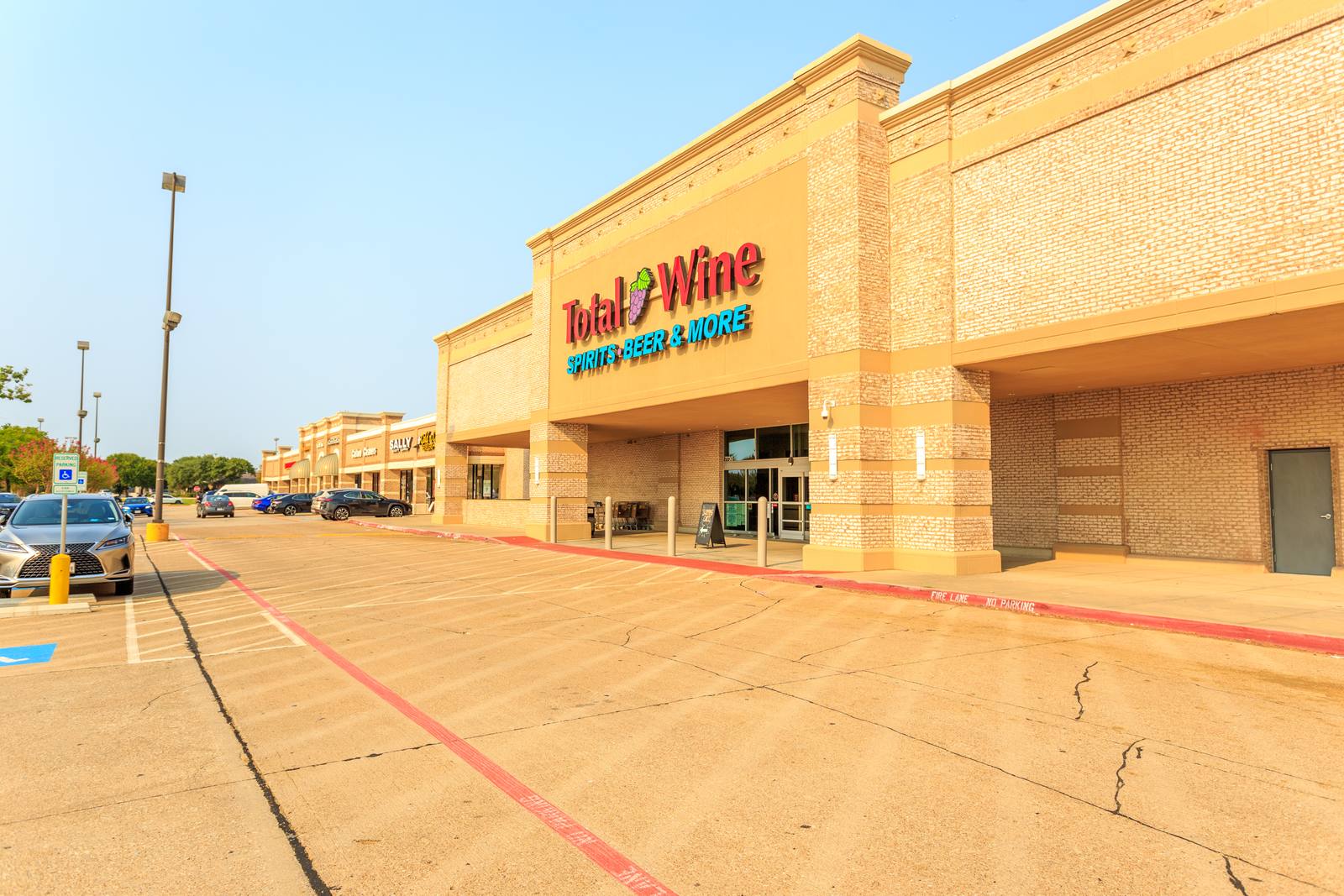
We start at the curb. Always. The first frame you’ll see online is the one from the street — the one that makes someone pause or scroll past. That shot has to show the building clearly, without a car blocking the entrance, without trash bins in frame, without a dog lounging on the porch. I shoot wide-angle from the sidewalk or road edge, usually with a 16mm lens on a full-frame camera. That’s wide enough to show the full frontage, but tight enough to keep the background from swallowing the building. If there’s a sign, I make sure it’s readable. If there’s a parking lot, I wait until the cars are parked neatly, not double-parked or angled awkwardly.
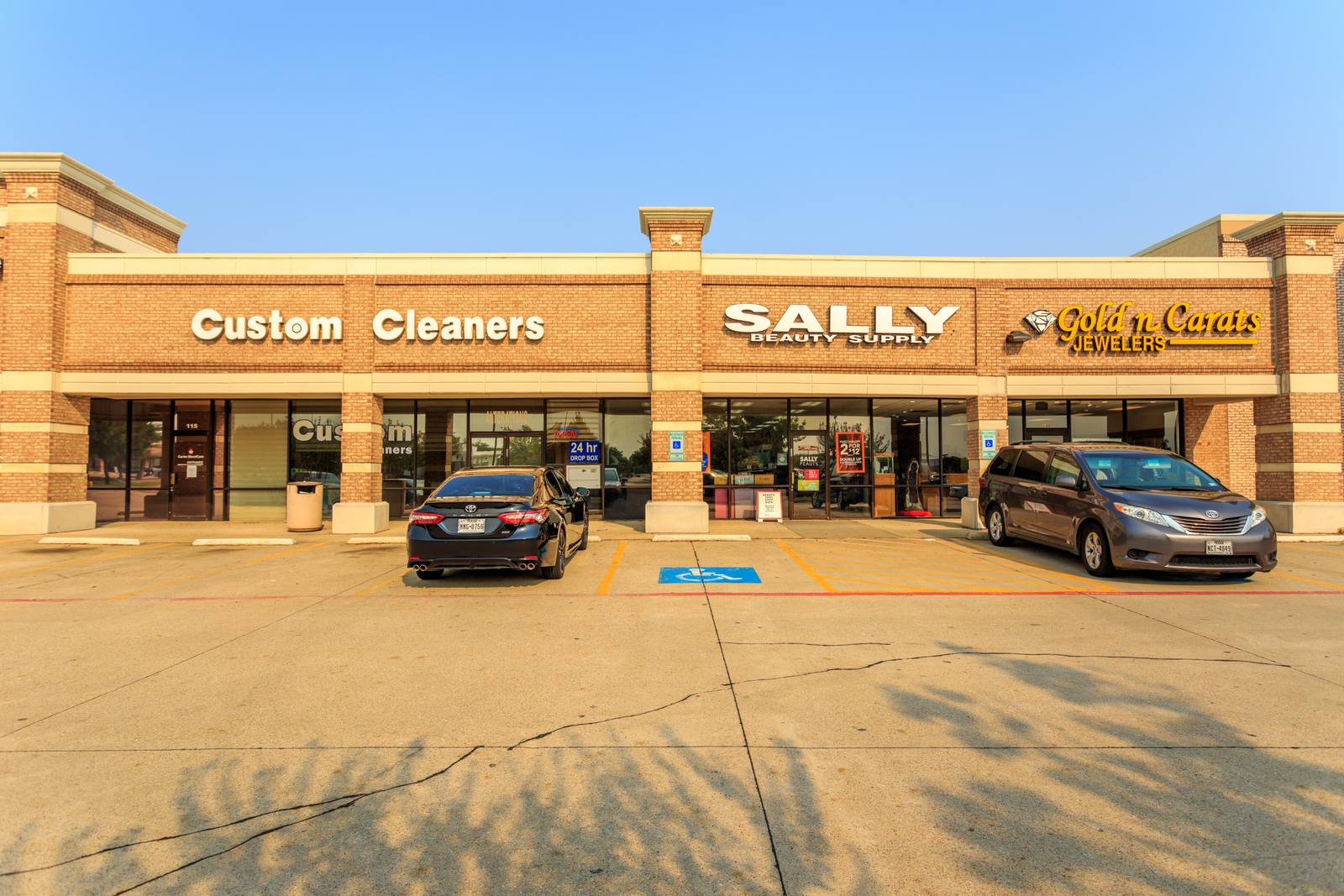
After the curb shot, I move to ground-level exteriors: the side entrances, the rear access, the loading dock, the fence lines. I shoot these at eye level, not from above or below. I avoid angles that make the building look like it’s leaning. If the property has a canopy or awning, I check the shadows — if the sun’s too high, the overhang casts a hard line across the facade. I wait for the light to soften, usually between 10 a.m. and 1 p.m. in Denton, unless clouds roll in. That’s when the light flattens just enough to even out the contrast without washing out color.
Aerial comes last — and here’s why
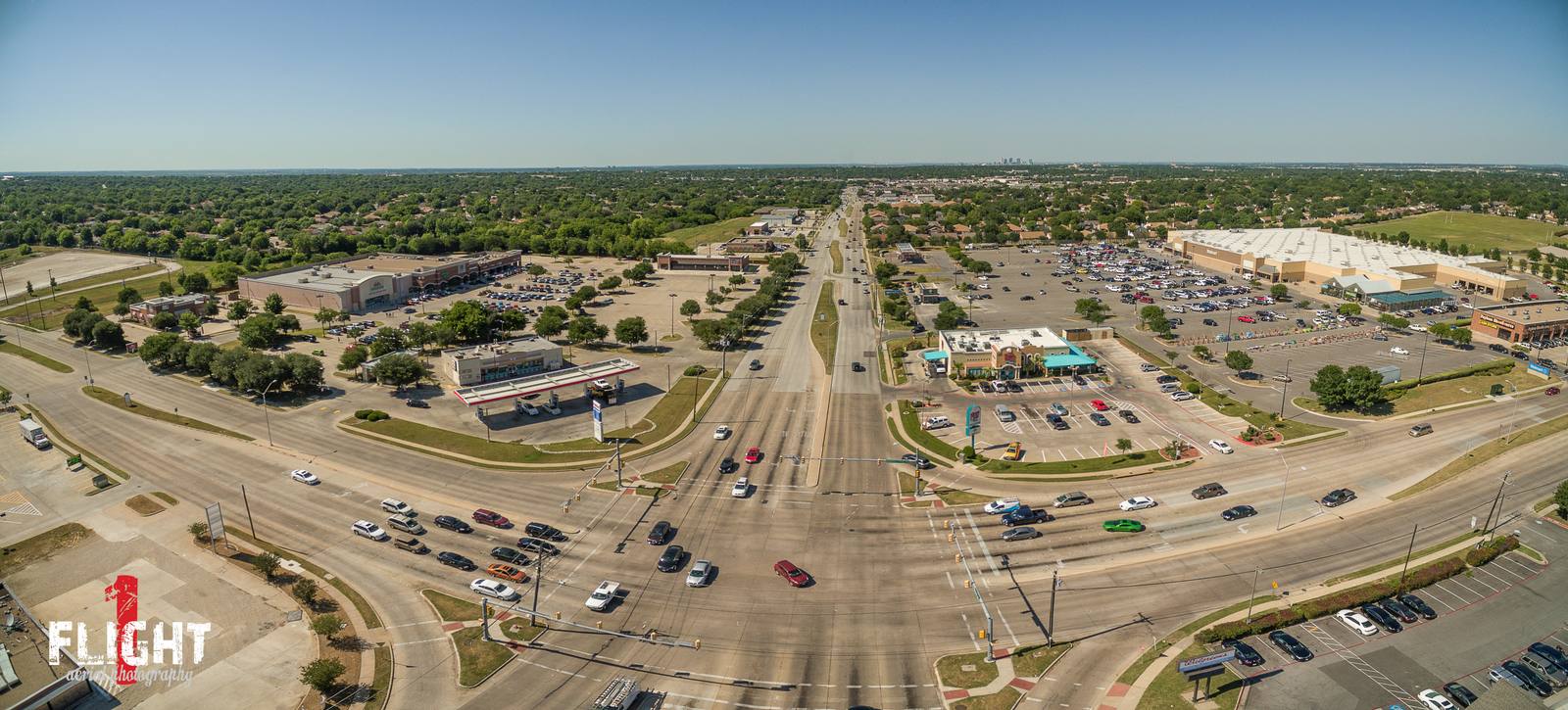
The drone flight doesn’t happen until after the ground work is done. I don’t launch until the parking lot is clear of moving cars. I fly at 120 feet — high enough to show the full footprint of the building and its relationship to the roads, low enough to keep the signage legible. If the roof has a pattern — like a red-and-white striped canopy — I make sure the sun hits it so the contrast pops. I shoot two passes: one straight overhead, one at a 45-degree angle so the building’s depth reads. I don’t circle. Circles look like ads. I want clarity, not motion.
People often think the drone shot is the most important. It’s not. It’s the one that gets ignored if the curb shot is messy. In Denton, commercial properties often sit on corners with multiple access points. That’s why I need to see the full layout before I fly. If a car’s blocking the side entrance on the ground shot, I can crop it out later. But if a delivery truck’s parked across the street during the aerial, I can’t fix that. The drone doesn’t know what to ignore. It sees everything.
What you need to do before I arrive
You don’t need to clean the inside. You don’t need to move furniture. But you do need to clear the outside — and not just the day of, but the morning of.
- Move all personal vehicles off the property’s frontage. Park them on the street, or behind the building. Don’t leave them in the loading zone or in front of the sign.
- Take trash bins, recycling containers, and lawn equipment off the curb. If they’re near the entrance, move them out of frame. I can’t shoot through a trash can.
- Keep pets indoors. Even if they’re calm, a dog sitting on the stoop or a cat on the awning becomes the focus of the photo. That’s not your goal.
- Ask employees to stay away from the front during the shoot. No one needs to be walking in or out while I’m shooting. A person in the frame distracts from the space. It makes the property look like it’s still in use, not for sale.
This isn’t about perfection. It’s about control. If you can’t move a car, tell me. I’ll wait. If a delivery truck shows up while I’m shooting, I’ll pause. But if I show up and the front is a parking lot of random vehicles, I’ll have to shoot around it — and the images won’t show the property the way it should be seen.
What I do when things go wrong
Things always go wrong. A delivery truck parks in front of the sign. A maintenance crew shows up to fix the AC unit. A group of people gather outside the restaurant because it’s lunchtime. That’s normal. In Denton, commercial zones are busy. I’ve had shoots where I had to wait 40 minutes for a parking space to clear because of a church event down the street.
When that happens, I don’t rush. I take a walk around the block. I note where the light is best. I check the shadows on the building’s east side. I watch the traffic pattern. If a car’s blocking the entrance every 15 minutes, I time my shot between them. If the sun’s too harsh, I wait for a cloud to pass. I carry a reflector for ground shots — not to add light, but to soften the shadows under awnings or overhangs. I use it when the sun’s low and the front door is in shadow. I don’t use flash. It looks fake on commercial exteriors.
And if someone leaves a car parked in front of the sign all day? I’ll shoot the frame anyway — and then I’ll come back later. I don’t charge extra. I don’t make a fuss. I just make sure the final set shows the building the way it should look when someone’s thinking about leasing it.
Frequently asked
Do I need to stage the interior?
No. Exterior real estate photos for commercial properties don’t require interior staging. I only shoot the inside if you request it — and even then, I’m looking for clean lines, no clutter on counters, and open doorways. But the exterior is what sells the location.
How long does the shoot take?
About 45 to 90 minutes, depending on the size of the property and how many access points it has. If it’s a single storefront, I’m done in under an hour. If it’s a multi-building complex with parking lots on three sides, it takes longer. I don’t rush. I wait for the right light, the right traffic gap, the right moment.
What if it rains or the weather turns?
I’ll reschedule. No penalty. I don’t shoot in rain — the reflections on windows and pavement ruin the clarity. Overcast days are fine, even better for even lighting. But if the sky’s too dark, or the wind’s too strong for the drone, we wait. I’d rather get one clean shot than six that look like they were taken in a storm.
I shoot real estate photos in Denton — exteriors, aerials, and commercial spaces. If you’re preparing for a listing, this is the order I follow. You don’t need to know how to use a camera. You just need to know what to move before I arrive.
Ready to book your aerial photography session?
Get a Free Quote