How Often to Update a Headshot in Denton
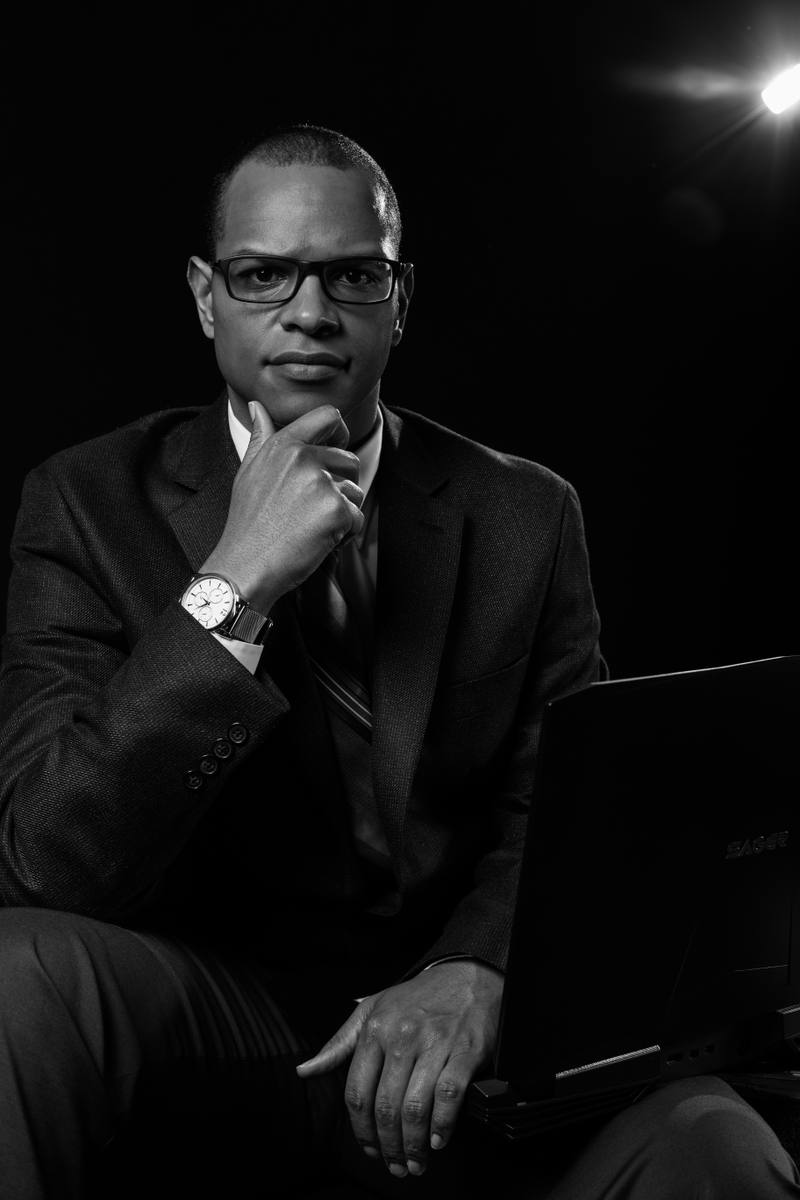
A headshot is simply a tightly framed portrait of your face and shoulders, made to represent you professionally—on a website, LinkedIn, or in a brochure. It’s not a selfie, not a vacation photo, not a candid at a party. It’s the face you hand to someone who’s never met you. So how often should you update one? Not every year. Not when your hair gets longer. But when something in your appearance or role makes people pause and say, ‘Wait, that doesn’t look like you.’
What actually triggers a headshot update
You don’t need a new headshot because it’s been two years. You need one because the photo no longer matches the person walking into the room. I’ve seen this too many times in Denton: someone walks into a meeting with a new job title, new glasses, a shaved head, or a completely different wardrobe—and their website still shows them in a 2019 polo shirt and side-parted hair. The disconnect isn’t just awkward. It makes people question your attention to detail, your authenticity, even your reliability.
The real triggers are simple: a new hairstyle, new glasses, a significant weight change, a new role that demands a different tone (like moving from sales to leadership), or a company rebrand that changes your visual identity. If your current photo doesn’t feel like you anymore, it’s not vanity—it’s clarity. People make snap judgments based on these images. If your headshot misrepresents you, you’re starting every first impression from behind.
Why mismatched photos hurt team credibility
In Denton, I’ve done headshots for law firms, tech startups, and medical practices. What always stands out isn’t the lighting or the lens—it’s consistency. A team page with five different styles—some in studio, some outdoors, some with shadows across the face, some with bright white backgrounds—looks like a random collage. It doesn’t look professional. It looks like someone threw it together.
Here’s what I do on every team shoot: I lock in the framing, the background, the lighting ratio, and the crop. Same height. Same distance from the lens. Same depth of field. That’s not just aesthetic—it’s psychological. When someone scrolls through a team page and every face feels like it belongs to the same organization, they trust it more. If one person’s photo is taken on a park bench with dappled sunlight and another is shot against a gray smooth, the brain doesn’t register ‘team.’ It registers ‘inconsistent.’
I’ve seen this fail in Plano, where a startup’s entire leadership page looked like it was shot by three different people over three years. By the time they hired me, the damage was done. Fixing it wasn’t just about new photos—it was about retraining their internal process.
What to bring to match your old session
If you’re updating your headshot and want it to feel like a continuation—not a reinvention—bring the same things you brought last time. That means:
- The same type of shirt (button-down, turtleneck, etc.)
- The same color palette (no bright red if you last wore navy)
- Your glasses, if you wear them regularly
- Your hair styled the same way you wear it daily
Don’t come in with a new suit you’ve never worn. Don’t wear makeup you’ve never worn. Don’t try to ‘look more powerful’ by changing your look entirely. Your headshot should reflect the person you are now, not the person you think you should be. The goal isn’t to look different. It’s to look accurate.
One time in Denton, a client came in with a brand-new blazer and no shirt underneath. He thought it looked ‘bold.’ The result? His face was lost in shadow. His collar disappeared. He looked like he was wearing a trench coat to a funeral. We had to reshoot in his old shirt—the one he wore every day. That’s the one that matched his energy. That’s the one that looked like him.
How the session actually goes
When someone books a headshot session with me in Denton, it’s not a photo shoot. It’s a conversation. We start with a quick walk-through: what’s changed since your last photo? What’s your role now? Where will this be used? Then I set up the light. I use a single, soft, directional source—usually a 48-inch octabox on a stand, positioned at 45 degrees above and to the side. That’s not magic. That’s standard for professional portraiture because it creates natural-looking dimension without harsh shadows.
Then I ask you to sit or stand where you’ll be most comfortable. I don’t tell you to smile or pose. I ask you to think about the last time someone said, ‘You’re so easy to talk to.’ I wait for that expression to land. Then I shoot. I don’t need 200 frames. I need three that capture your natural presence. Afterward, I edit each image to balance exposure, reduce glare on glasses, and clean up stray hairs. Every delivered photo is retouched. No raw files. Ever.
The whole session takes 30 to 45 minutes. Most of that is talking. The shooting is fast. What takes time is getting you to relax enough to look like yourself.
What to avoid
Don’t update your headshot just because you think it’s ‘time.’ Don’t update it because your cousin took a nice photo at the mall. Don’t update it because you saw someone else’s and thought, ‘I wish I looked like that.’
What I see most often is people trying to look younger, more authoritative, or more ‘corporate’—and ending up looking like someone else. He wore a dark suit, no smile, stiff posture. The result? He looked like a tax auditor. He didn’t look like the guy who’s been giving kids candy before their checkups for 15 years. We went back to his old shirt, his old smile, his old glasses. He looked like himself again. That’s what people trusted.
Also avoid outdoor shoots unless your old photos were outdoor. If your team’s photos are all studio, don’t suddenly go for a sunset shot in Lake Pointe. It breaks the pattern. Consistency beats creativity here.
Frequently asked
How long does a headshot session take?
Most sessions in Denton take 30 to 45 minutes. That includes setup, a short chat to get you comfortable, and the actual shooting. I don’t rush. But I also don’t drag it out. You’re not here to be a model—you’re here to be you.
Do you offer group headshots for teams?
Yes. But I shoot each person individually, even in a group setting. That way, I can control the lighting and framing for every face. I don’t do ‘group headshots’ where everyone stands in a line. That’s not professional. It’s just crowded.
What if my hair grows back or I lose weight after the shoot?
That’s normal. A headshot isn’t meant to be a permanent record. It’s meant to be accurate for the next 12 to 24 months. If your appearance changes significantly after that, you update it. If you get glasses next year? Then it’s time. If you just let your beard grow? That’s fine—your headshot can still match you.
Ready to book your aerial photography session?
Get a Free Quote