What to Wear for a Professional Headshot in Denton
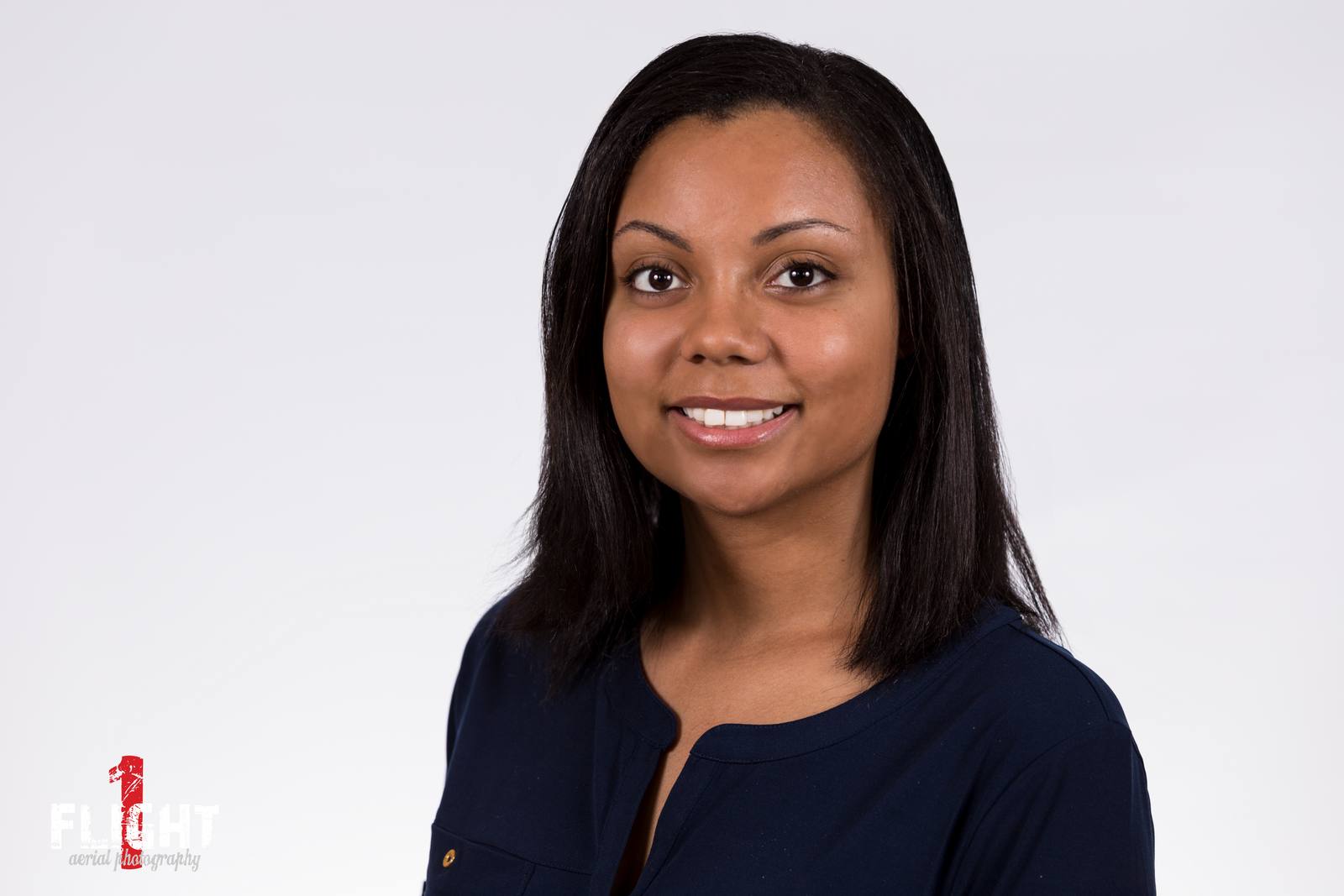
A professional headshot is simply a tightly framed portrait—usually head and shoulders—that represents you in a work context. It’s not a selfie. It’s not a vacation photo. It’s the picture someone sees when they look up your name on LinkedIn, scan your resume, or click your profile on a company website. So what makes one actually work? Not the smile. Not the pose. It’s what you’re wearing, and what you’re not.
Start with the background, not the outfit
Most headshots happen against a clean studio background—white, black, or gray. That’s intentional. It removes distraction so your face and presence are the focus. But here’s the mistake I see: people pick outfits that contrast with the background instead of ones that complement their skin tone and shape. A white shirt on a white background? You’ll disappear. A bright red top against black? It’ll pull the eye away from your eyes. The goal isn’t to stand out from the background—it’s to stand out as yourself within it.
What to wear: color, texture, and fit
Wear something that looks like you, but polished. No suits unless you wear one to work. No t-shirts unless you wear one to work. For most people in Denton—teachers, consultants, engineers, small business owners—that means a collared shirt, a knit sweater, or a structured blouse. Solid colors work best. Navy, charcoal, deep green, burgundy. Avoid neon, white, or anything with logos. I’ve seen too many headshots where a company logo on a polo dominates the frame, not the person.
Texture matters. A cable-knit sweater catches light differently than a smooth cotton shirt. That’s good. It adds dimension. But avoid anything too shiny—satin, polyester blends, or metallic threads will reflect studio lights and create hot spots. A wool blend or cotton twill? Perfect. And make sure it fits. Not tight. Not baggy. Shoulders should sit naturally. If your shirt pulls across your chest when you sit, it’s too tight. If your sleeves hang past your wrists by three inches, it’s too loose.
What to skip: accessories, jewelry, and makeup
Keep jewelry minimal. A simple pair of stud earrings or a thin necklace is fine. A chunky pendant? It’ll compete with your face. Same with bracelets. If you wear one, make sure it doesn’t click against the chair during the shoot. I’ve had clients roll their sleeves up to avoid a watch clinking every time they shifted. That’s the kind of detail you don’t think about until you see the final image and wonder why your wrist looks like it’s holding a tiny cymbal.
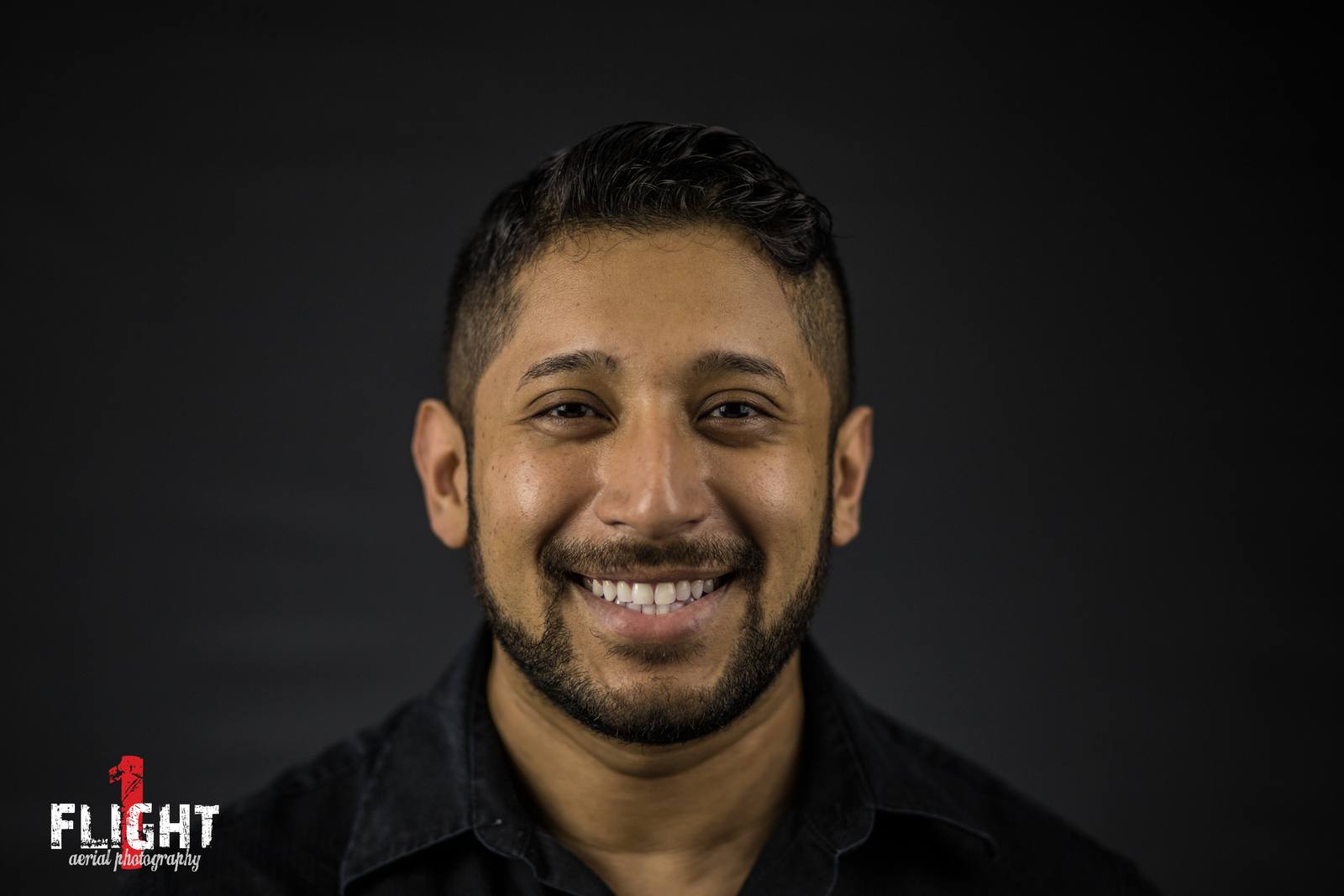
Makeup should be subtle. If you wear foundation daily, wear it. But skip the contouring, glitter, or heavy eyeliner. The goal is to look like you, not like you’re auditioning for a Broadway show. For men: if you shave daily, shave that morning. If you keep a beard, trim it the day before. Don’t let it grow out for the shoot. A beard that’s been unkempt for a week looks like a mistake, not a style.
What to bring: layers, backup tops, and confidence
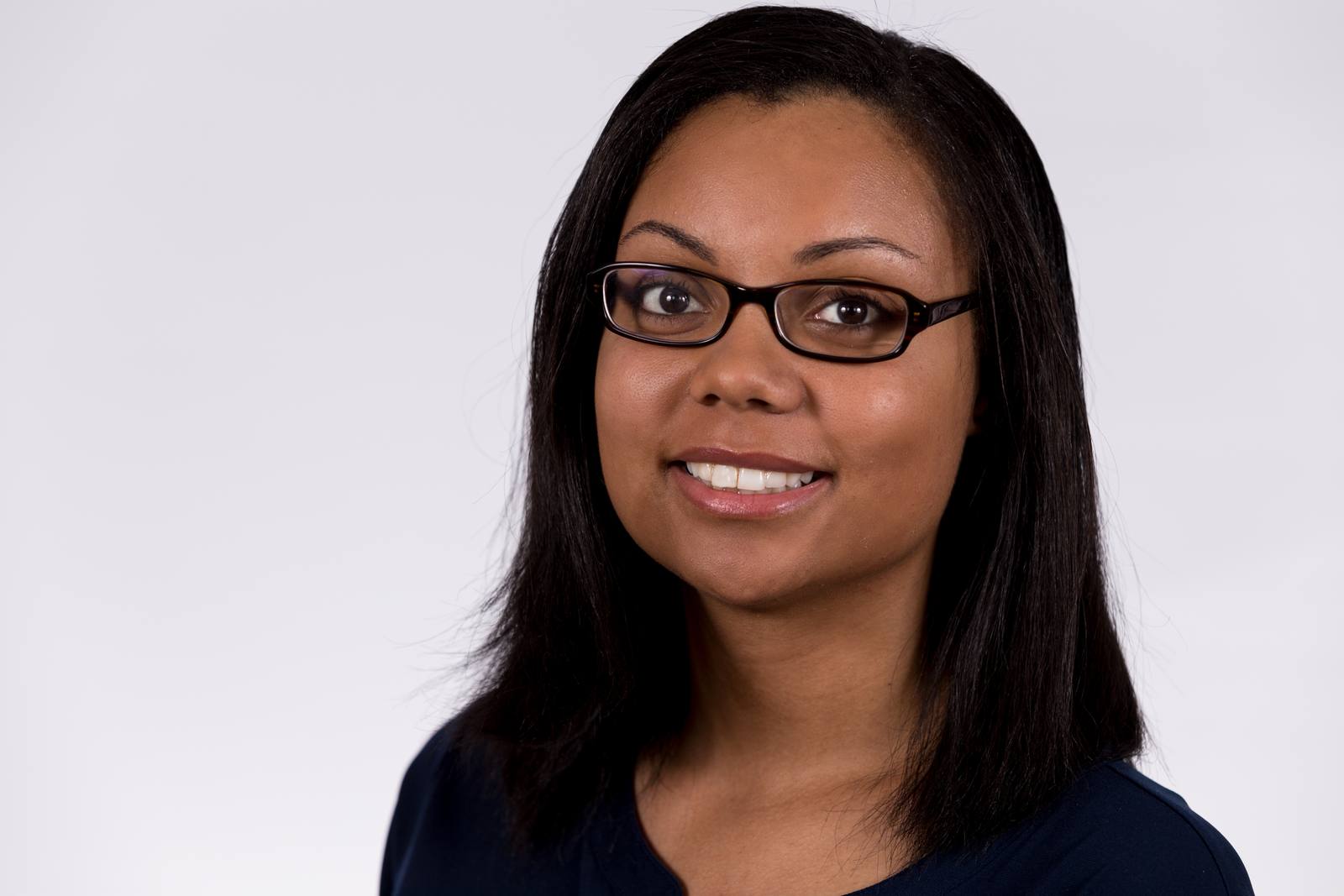
Bring two or three tops in different colors. I don’t mean five shirts—I mean two or three. One darker, one medium, one lighter. We’ll shoot you in each, and pick the one that works best with your skin tone and the final use. Don’t assume your favorite shirt is the right one. I’ve had clients show up in their best navy blazer, only to find that a simple black turtleneck looked more natural and professional in the final edit.
Bring a comb. A small bottle of water. A lint roller. And a quiet moment of self-awareness. This isn’t about being perfect. It’s about being present. If you’re tense, your jaw will clench. If you’re rushing, your eyes will dart. I’ll guide you through the poses, but the real work happens before you walk in. Take a breath. Sit still. Let your shoulders drop. You don’t need to smile on command. You just need to be you, in clothes that let you be seen.
How the session actually goes in Denton
In March, the light outside is still soft—mild sun, occasional wind. But inside the studio, we control everything. I set up two or three lights: one main, one fill, one edge. The main light is angled slightly above and to the side, not straight on. That’s how you get shape in the face, not flatness. The fill light is dimmer, just enough to lift shadows under the chin. The edge light? It’s there to separate you from the background, not to highlight your collar.
We shoot in a sequence. First, you stand. Then you sit. Then we try a slight turn, then a straight-on. I don’t say "smile." I say "think about the last time you felt proud." That’s when your eyes light up. Not because you’re happy—you’re just present. And that’s the frame we keep. We take maybe 80 to 100 shots in 30 minutes. Not because I need that many. Because you need to move, breathe, relax, and find your natural posture. One of those shots will be the one that doesn’t look like a photo. It’ll look like you.
Frequently asked
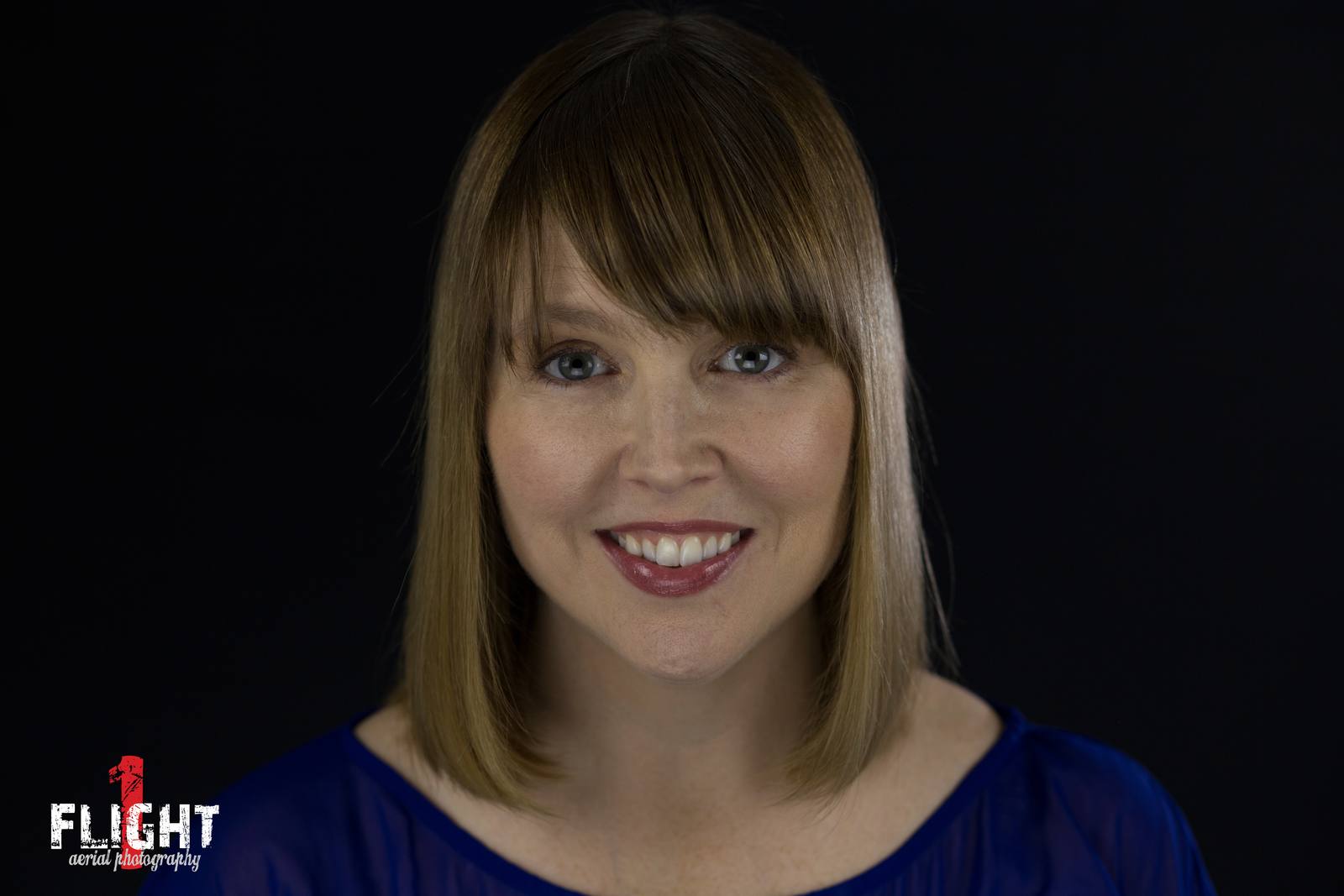
Do I need to wear a suit?
No. A suit only works if it’s part of your daily look. If you wear jeans and a button-down to your job, that’s what you should wear here. A suit on someone who doesn’t normally wear one looks like a costume.
What if my hair is messy?
Bring a comb. I’ve got a mirror and a brush, but if you have a product you use daily—a light pomade, a spray—use it. Don’t change your routine the day of the shoot. Authenticity beats perfection.
Can I use the same photo for LinkedIn and my resume?
Yes. That’s why we shoot multiple frames. One will be slightly tighter for your resume, one slightly wider for LinkedIn. They’re cropped from the same session. No need for two separate shoots.
I shoot professional headshots in Denton. If you need one that works for work, I can help.
Ready to book your aerial photography session?
Get a Free Quote