BACK TO BLOG

    How to Wear Glasses in a Headshot Without Glare in Dallas
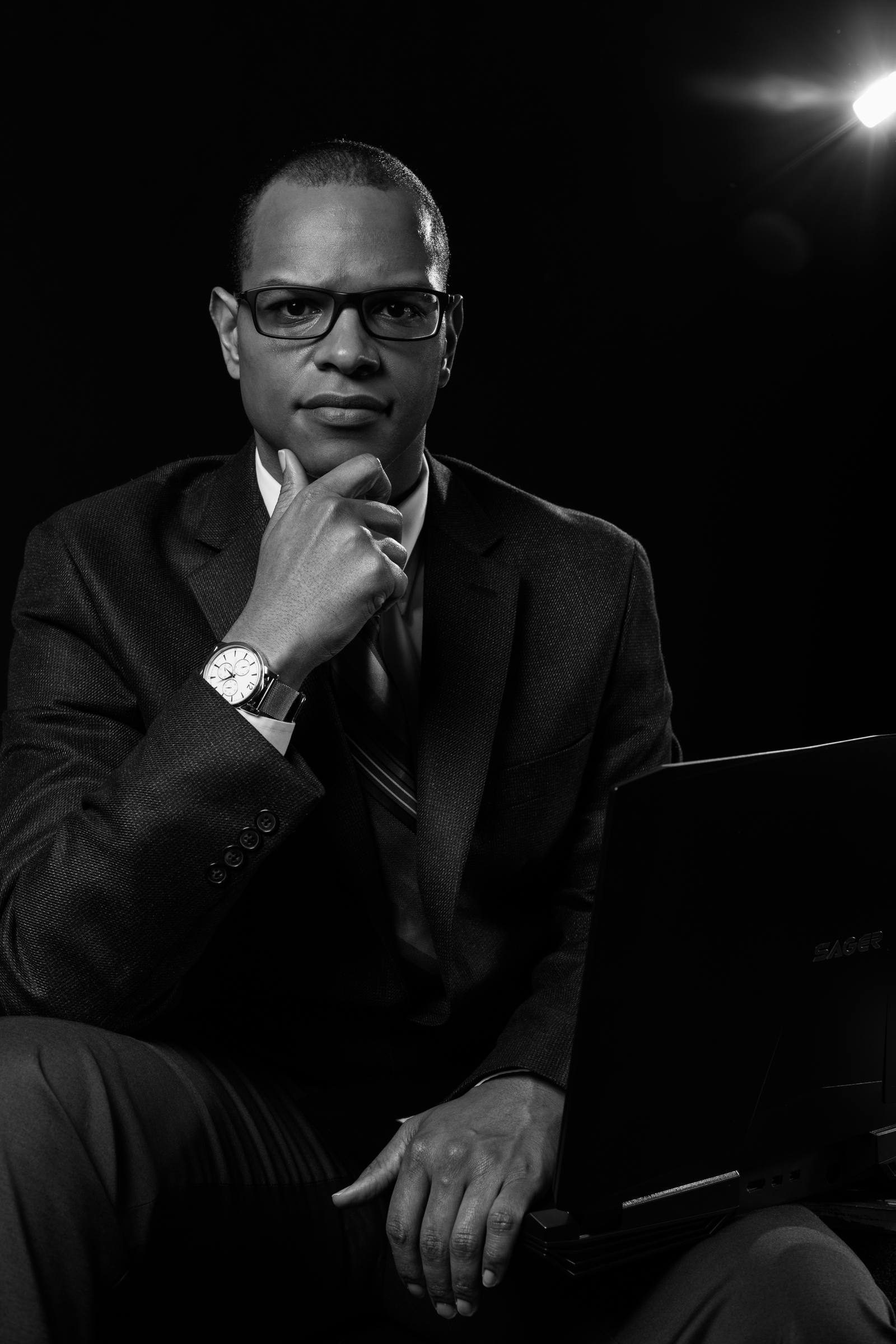
    Black-and-white studio portrait of one man in a suit and glasses, seated with a laptop, hand to chin, against a dark background with a bright light flare.
    Shot this one with a 45-degree key light and a reflector on the left — the flare on the glasses is low enough to leave the eyes clear.

    A headshot is simply a tightly framed portrait — usually head and shoulders — made to represent you in a professional context. It’s not a selfie, not a family photo, and not a candid moment. It’s the image people see when they look you up online, scan your LinkedIn, or meet you for the first time. So what happens when you wear glasses? Most people assume the lenses will reflect light, hide your eyes, or make you look like you’re squinting. That’s not inevitable. It’s a problem with light, not your prescription.

    Why glasses in a headshot often go wrong

    I’ve seen headshots where the glasses look like two dark mirrors. Or worse — the lenses are completely washed out, and your eyes are gone. That’s not because you have strong lenses. It’s because the light was placed wrong. A common mistake is putting the main light directly in front of the subject. That’s fine for skin tone, but for glasses, it turns the lenses into a spotlight reflector. You end up with a white blob where your pupils should be. In Dallas, where indoor studio work is common and natural light is often too harsh, this happens more than it should.

    How to position the light to avoid glare
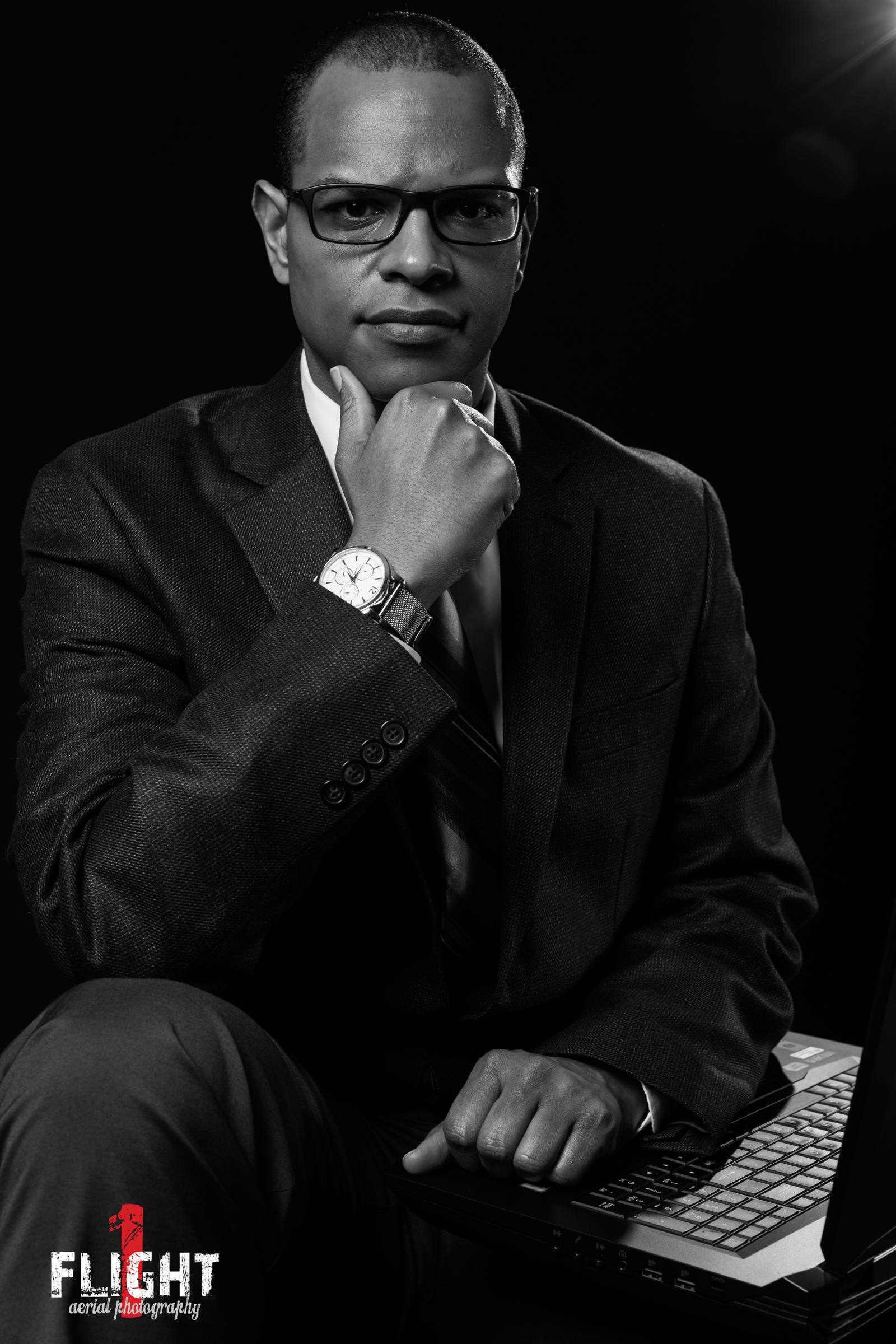
    A man in a suit and glasses, hand on chin, sits before a laptop against a dark background, wearing a watch.
    This frame was taken after I asked him to tilt his chin down just enough to drop the reflection below the lens.
    The fix isn’t complicated. I always place the main light at a 45-degree angle to the side of the subject — never centered. Then I raise it slightly above eye level. That sends the reflection downward, away from the camera. I’ll often use a softbox or umbrella to spread the light, so it doesn’t create a hard highlight on the lens. If I’m working in a studio with no windows, I’ll add a small reflector on the opposite side to fill the shadows under the chin and cheekbones. It’s not about brightness — it’s about direction. The light doesn’t need to be bright; it needs to be angled. I’ve done dozens of headshots this way in Dallas offices, hotel rooms, and home studios. The reflection doesn’t vanish — it just moves. And when it moves below the lens, your eyes are visible again.

    What to do with your glasses before the shoot

    Clean them. Not with your shirt. Not with a napkin. Use a microfiber cloth and a drop of lens cleaner. Fingerprints and smudges scatter light. They turn a small glare into a haze. I’ve had clients come in with glasses that looked like they’d been wiped on a car seat. I can fix some of it in editing — but not all. If the lens is streaked, the reflection becomes a smear, not a highlight. That’s harder to remove than a clean, bright reflection. Bring your glasses the night before. Clean them. Put them in a case. Don’t touch them again until the shoot.

    Bring a second pair — or none at all

    Head-and-shoulders portrait of a woman with dark hair and glasses, smiling against a plain white background.
    No glare here because the lenses were clean, the light was angled, and she didn’t have photochromic coatings.
    If your glasses are thick, if they have a strong prescription, or if they’re the kind that catch light like a disco ball, bring a second pair. Not a backup. A different pair. Simple frames. Thin metal. No coating that glows under studio lights. I’ve had clients bring an extra pair of reading glasses or even a pair of empty frames — no lenses at all. That’s not a trick. It’s a tool. If your eyes are your most expressive feature, and your glasses obscure them, you’re not showing up as you are — you’re showing up as a reflection. Some people wear glasses because they need them. Others wear them because they’re part of their look. If your colleagues know you by your glasses, then wear them. If they know you by your smile, and your glasses are just a habit, consider removing them. I’ve done headshots for lawyers in Dallas who switched to contact lenses for the shoot. I’ve done them for professors who brought a pair of wire frames with no tint. Both worked.

    Photochromic lenses can make things worse

    Don’t wear transition lenses — the kind that darken in sunlight — for a studio headshot. They’re designed to react to UV, which studio lights don’t emit. So they’re still dark, even indoors. That means your eyes are hidden under gray lenses, and the studio lights will still cause glare on the surface. You end up with a double problem: dark lenses and bright reflections. I’ve seen it three times in the last year. Each time, we had to stop, have the client take them off, and shoot with contacts or a second pair. If you’re not sure what kind of lenses you have, check the manufacturer’s label or call your optometrist. Don’t guess. Studio lighting doesn’t care if your lenses are ‘adaptive.’

    How I shoot a headshot with glasses — the sequence
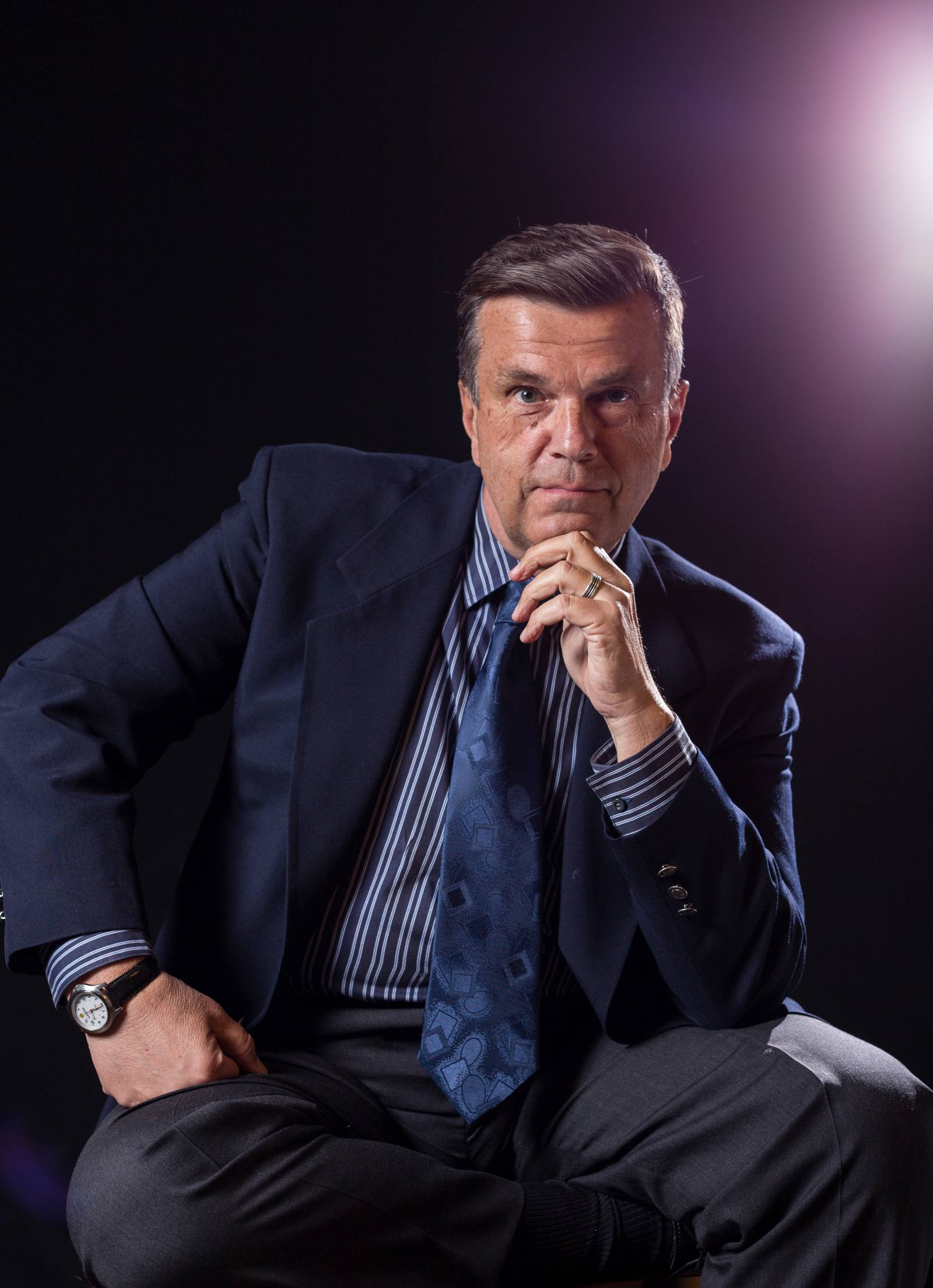
    A man in a dark suit and patterned tie sits, hand on chin, against a black background with a purple light flare, wearing a watch and ring.
    I used a purple fill light here to add depth without creating reflections on the glasses — the key was the angle, not the color.
    Here’s how it actually goes. I start with the subject seated, no glasses on. I light the face first — get the skin tones right, the catchlights in the eyes, the shadow under the jaw. Then I hand them their glasses. I ask them to put them on, sit up straight, and look right at the camera. I don’t tell them to tilt their chin. I watch. If I see a white blob on the lens, I ask them to tilt their head down slightly — just a few degrees. That moves the reflection. If that doesn’t work, I adjust the light. If that still doesn’t work, I ask if they brought a second pair. If they didn’t, I ask if they’d be comfortable removing them for a few shots. I never assume. I never rush. I take three frames with the glasses on, three without, and let the client choose. The goal isn’t to hide the glasses. It’s to make sure your eyes are visible. Your eyes tell your story. The glasses are just the frame.

    Frequently asked

    Should I wear my glasses at all for the headshot?

    If you wear them every day and your professional identity includes them — yes. If you wear them only to read or drive, and people know you without them — consider not wearing them. Your eyes matter more than the frames.

    Can editing fix glare on my glasses?

    I can reduce a bright reflection, but I can’t make your pupils visible if the lens is completely washed out. I can’t remove a reflection that’s covering your iris. Prevention is always better than cleanup.

    Do you recommend anti-reflective coatings?

    Yes. Anti-reflective coatings reduce surface glare. They don’t eliminate it — no coating does — but they help. Ask your optometrist for a multi-layer AR coating. It’s not magic, but it’s the closest thing.

    Ready to book your aerial photography session?

    Get a Free Quote