How to Prepare for a Headshot Session in Denton
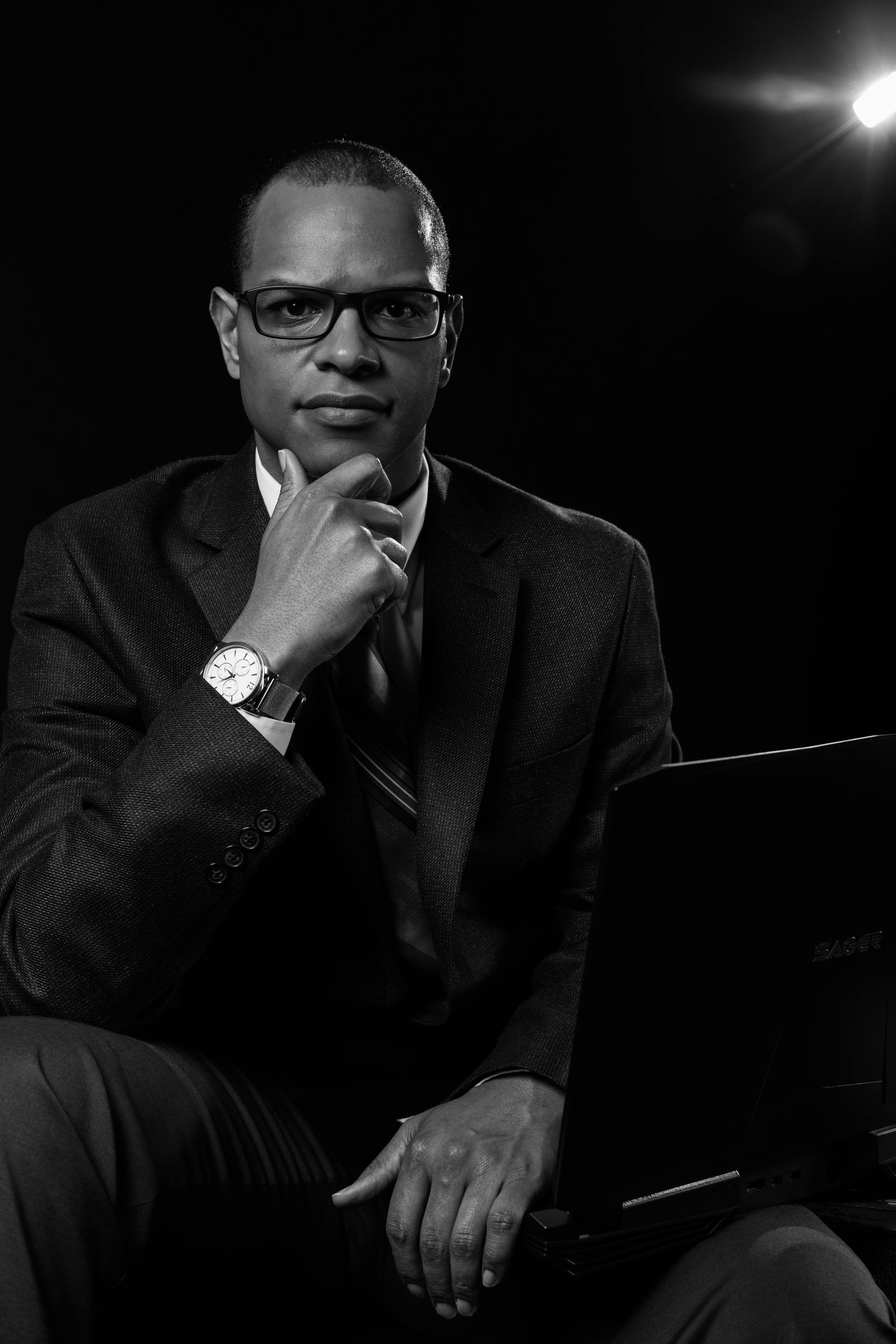
A headshot is simply a tightly framed portrait—usually head and shoulders—made to represent you professionally. It’s not a casual selfie, not a family photo, not a candid shot from a party. It’s the image people see when they look you up online, scan your LinkedIn profile, or meet you for the first time at a conference. So what makes one read as crisp, polished, and professional against a clean studio background? It’s not the smile. It’s not the suit. It’s what you do in the week before the shoot.
Start with your hair
Don’t wait until the day before. Haircuts need time to settle. If you’re getting one, book it five to seven days before your session. In Denton’s early spring wind, freshly cut hair can stand up or fly sideways during the shoot, especially if it’s longer than a buzz. A cut too new looks artificial in a portrait. Too long and it competes with your face. I’ve seen clients come in with a haircut from the day before, and the stylist didn’t account for how the light hits the crown or the sideburns. The result? A distracting halo of hair that pulls attention away from your eyes. Let it rest. Let it lie flat. That’s what the camera sees.
Manage your skin—don’t overdo it
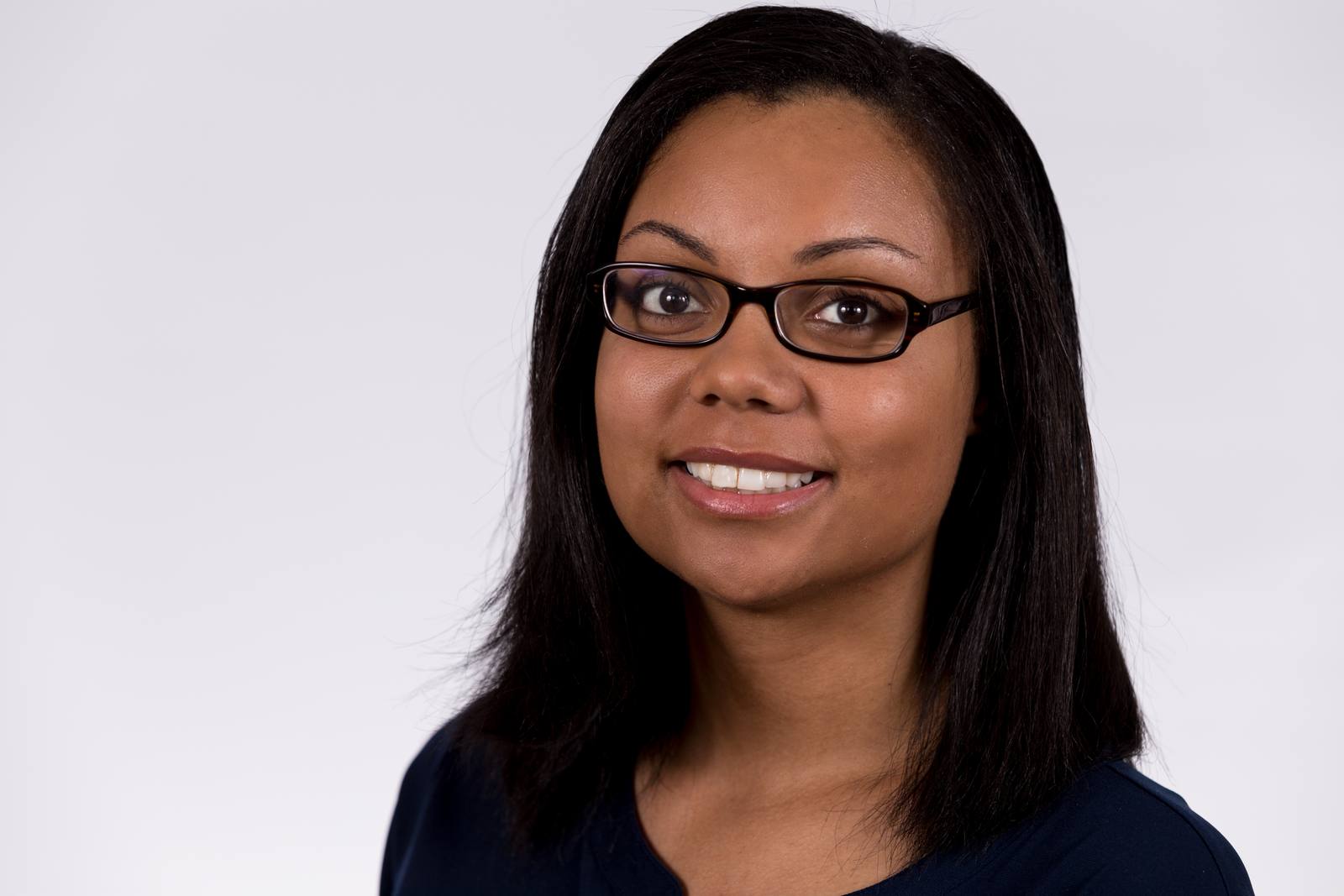
Don’t try a new facial treatment, chemical peel, or acne product in the week before. Denton’s March weather swings from dry to humid, and your skin reacts. If you’ve been using a retinoid or exfoliant, back off three days out. Redness, flaking, or breakouts don’t vanish in editing. I’ve had to spend extra time smoothing out a client’s chin because they used a new serum two nights before. The goal isn’t flawless skin—it’s natural, healthy skin. A little shine is fine. A lot of dry patches or redness isn’t. Wash gently. Moisturize lightly. Skip the heavy foundation. I’ll adjust tone and texture in post—every delivered image is retouched—but I can’t remove inflammation or replace lost texture.
Think about glasses
If you wear glasses, bring them. But know this: glare isn’t just a reflection—it’s a distortion. When light hits the lens at a certain angle, it bleaches out part of your eye. That’s not fixable in editing. I use a polarizing filter and adjust lighting angles to minimize it, but I can’t remove a full reflection of the light source across your pupil. Bring two pairs if you have them: one with anti-reflective coating, one without. We’ll test both on the first frame. If you wear contacts, wear them. Don’t switch the day of the shoot. Your eyes need to be comfortable. I’ve had clients show up with contacts they hadn’t worn in months—halfway through, they blinked too hard and had to pause to reinsert them. That’s not the moment you want to be fumbling with your eyes.
Shave or don’t—but decide ahead
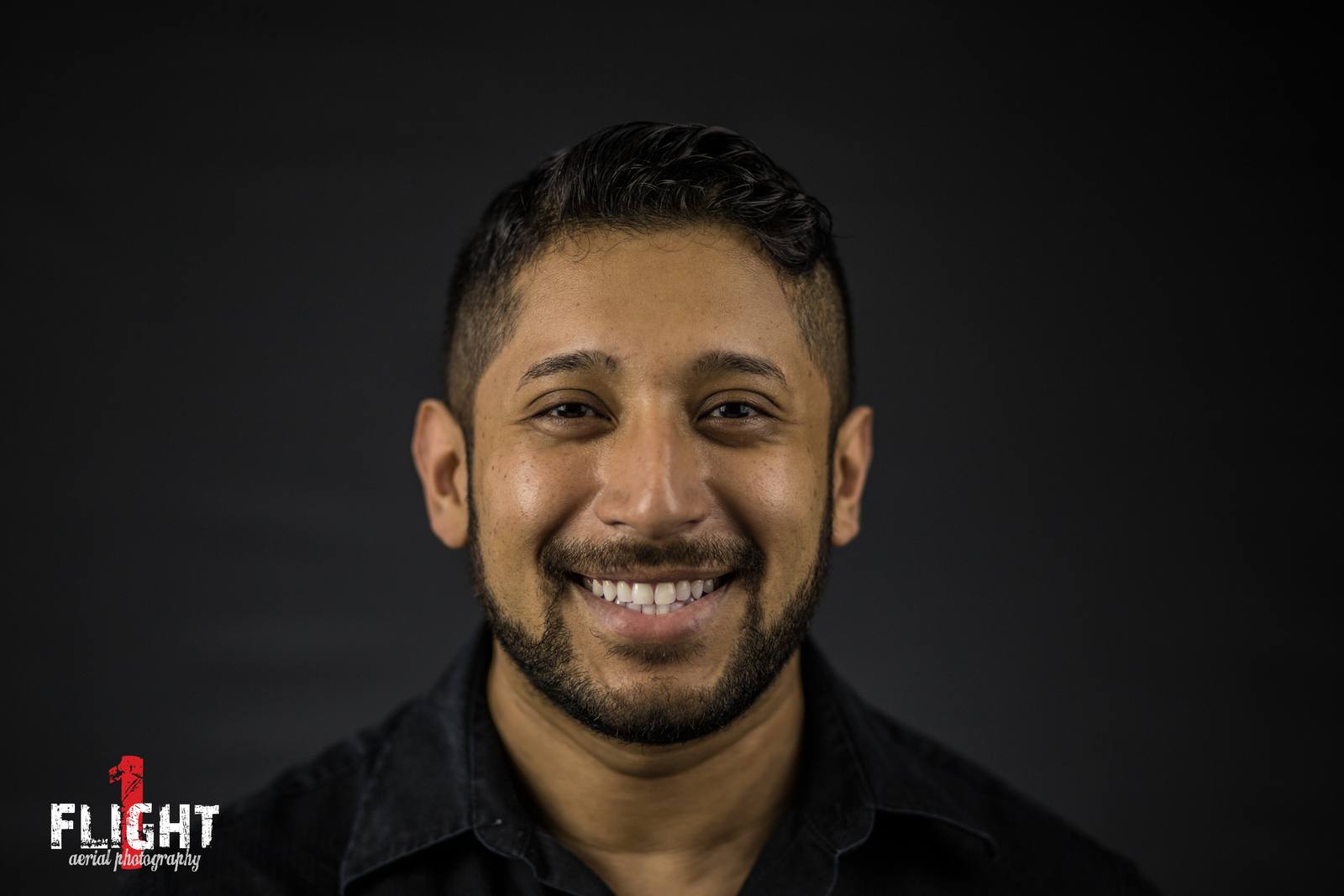
If you’re growing a beard, keep it trimmed. If you’re shaving, do it the night before—not the morning of. A fresh shave can leave your skin tight, red, or shiny under studio lights. I’ve shot three Denton clients in a row who shaved at 7 a.m. and showed up at 10. Their skin looked like it was under a spotlight. I had to darken the shadows around their jawline in post just to make it look natural. If you’re keeping facial hair, trim it two days before. Let it settle. Don’t let it look like you just woke up with a five-o’clock shadow. That’s not rugged—that’s sloppy. And if you’re unsure, bring both a clean-shaven look and a trimmed beard. We’ll shoot both. You’ll know which one reads as you.
What you wear matters—but not how you think
Don’t wear white. Don’t wear black. Don’t wear patterns with tiny stripes or logos. A white shirt reflects the background and turns your neck into a blob. A black shirt eats your collar and makes your head float. A striped shirt? It blurs on camera. I’ve shot headshots in Denton with clients wearing navy, charcoal, deep burgundy, even olive green—all of which hold their shape against a studio backdrop. Solid colors. No text. No logos. No jewelry that catches light. A watch? Fine. A necklace with a pendant? Too much. You want the focus on your face, not your collarbone. And if you’re wearing a tie, make sure it’s not too wide. A tie that’s wider than your face looks like a prop.
How a typical session goes
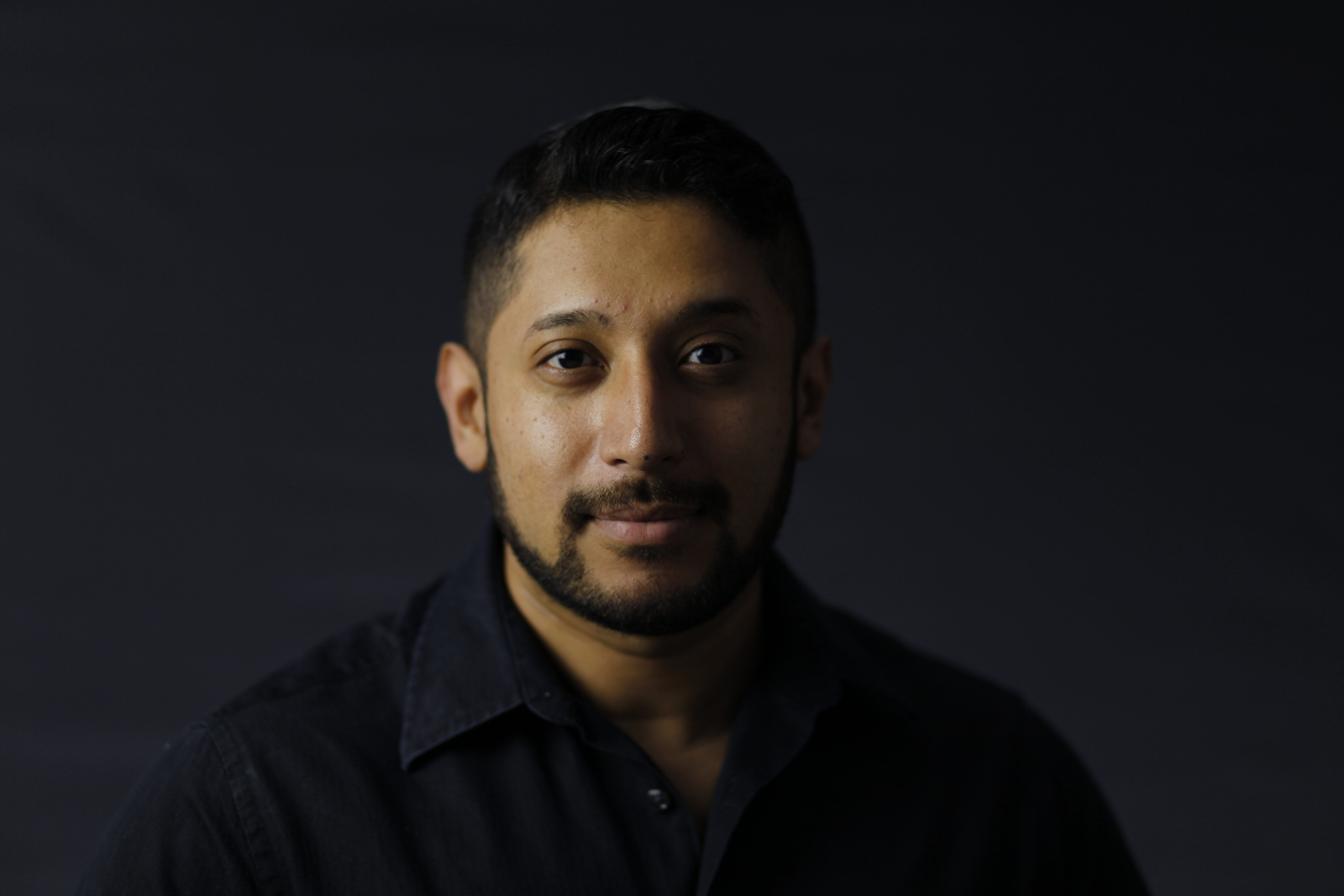
I start with a five-minute chat. What’s this for? LinkedIn? Website? Conference? That tells me the tone. Then I set up the background—usually white or dark gray, depending on your industry. I use a 85mm lens. It’s the sweet spot: flattering, not distorting, and tight enough to keep the background clean. I light with a large softbox for the key, a reflector on the opposite side to fill shadows, and a hair light just above to separate you from the background. We shoot in bursts: three poses, three expressions. One neutral, one with a slight smile, one with full warmth. I don’t ask you to say ‘cheese.’ I ask you to think of someone you respect. That’s when your eyes change. We take 15–20 frames per pose. Then we check one on the screen. No one ever likes the first one. That’s normal. You’re seeing yourself like you never do—in a still, cropped, silent way. We adjust. We tweak. We keep going. By the end, you’re not posing—you’re being you, captured.
Frequently asked
How long does the session take?
Most headshot sessions in Denton take 30 to 45 minutes. I don’t rush, but I don’t drag. You’ll get 3–5 final images, fully edited, delivered digitally.
What if I’m nervous?
Nervousness shows as tension in the jaw or shoulders. I’ll guide you through breathing. I’ve shot lawyers, professors, engineers, and nurses—all of them were anxious the first time. The ones who relaxed were the ones who stopped trying to look ‘professional’ and started trying to look like themselves.
Do you edit the photos?
Yes. Every delivered image is retouched. We smooth skin texture, balance light, remove stray hairs, and adjust color. We don’t change your face. We make sure your face is clear.
Ready to book your aerial photography session?
Get a Free Quote