How to Pose for a Headshot in Fort Worth So You Look Confident, Not Stiff
A headshot is simply a tightly framed portrait — usually from the chest up — made to represent you in a professional context. It’s not a selfie. It’s not a family photo. It’s the picture people see when they’re deciding whether to trust you, hire you, or take you seriously. So what makes one look approachable instead of stiff? Most people think it’s the smile. It’s not. It’s your shoulders, your chin, and what your eyes do in the half-second before the shutter. Here’s how each one works.
What you’re trying to avoid — the freeze
I’ve seen headshots taken in Fort Worth offices, hotel lobbies, and park benches. The most common failure? The subject freezes. They stand up straight, lock their arms at their sides, and stare into the lens like they’re waiting for a bus. Their face looks polite. Their body looks like it’s on pause. That’s not confidence. That’s performance anxiety captured in pixels. You can’t fix that with a filter. You fix it by adjusting three things before I even raise the camera.
Shoulders: Let them drop, don’t push them back
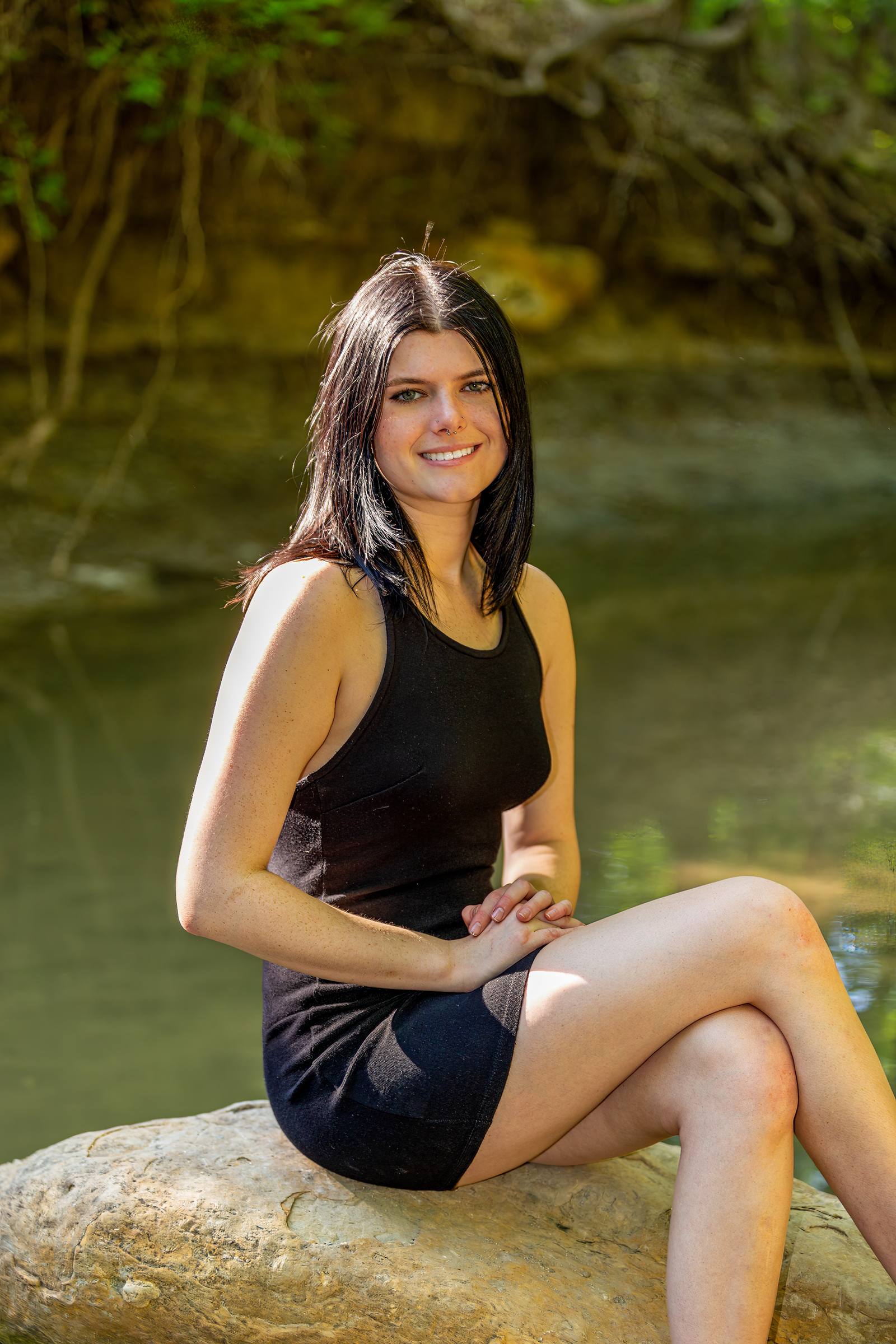
Most people think they need to pull their shoulders back to look authoritative. That’s what you see in corporate brochures from the 2000s. In reality, that posture tightens the neck, flattens the chest, and makes your jaw jut forward. It looks like you’re bracing for a punch. What works better? Let your shoulders drop naturally. Roll them forward once, then let them settle. You should feel like you’re leaning slightly into your chair or the wall behind you — not standing rigid. In the frame I shot of the woman in the black dress on the rock, you can see how her shoulders fall open. There’s no tension. She’s not posing. She’s just there. That’s what approachable looks like. No need to arch your back. No need to puff your chest. Just let gravity do its job.
Chin: Lower it, don’t jut it
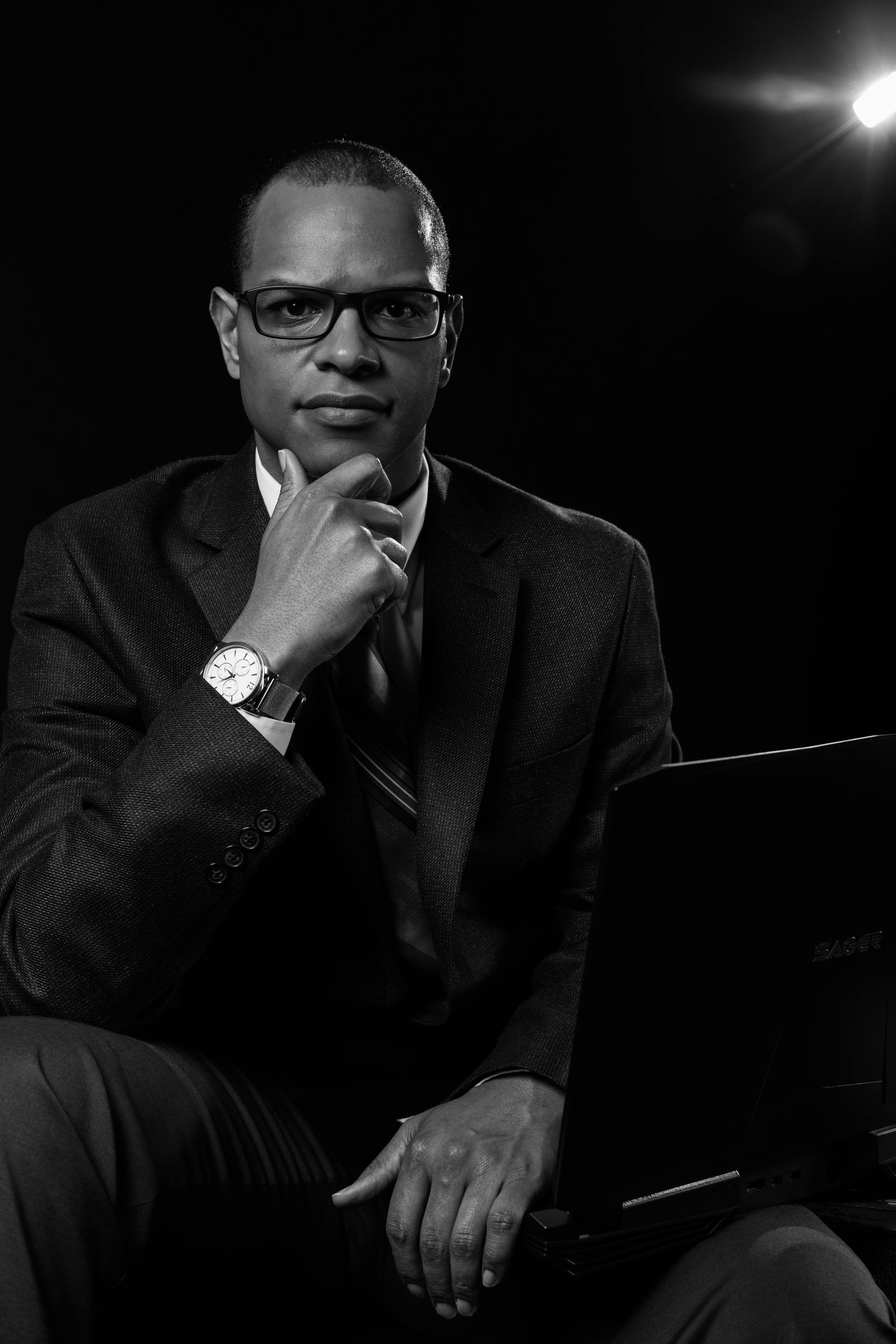
The chin is the most over-corrected part of the face. People think tilting it up makes them look taller, more confident. It does the opposite. When you lift your chin, you create a double chin, flatten your neck, and pull the skin tight under your jaw. That’s why so many headshots look like the person is trying not to cry. The fix? Lower your chin slightly — just enough to create a soft angle between your neck and jaw. Think of it like you’re looking at the camera from the corner of your eye, not straight on. It opens the space under your jaw without looking like you’re staring at the ground. In the studio portrait of the man in the suit, you can see how his chin is lowered just enough to define his jawline without strain. That’s not a trick. That’s anatomy. And it’s repeatable, no matter if you’re shooting in a Fort Worth studio or under a tree in Trinity Park.
Eyes: Blink. Then look. Don’t stare.
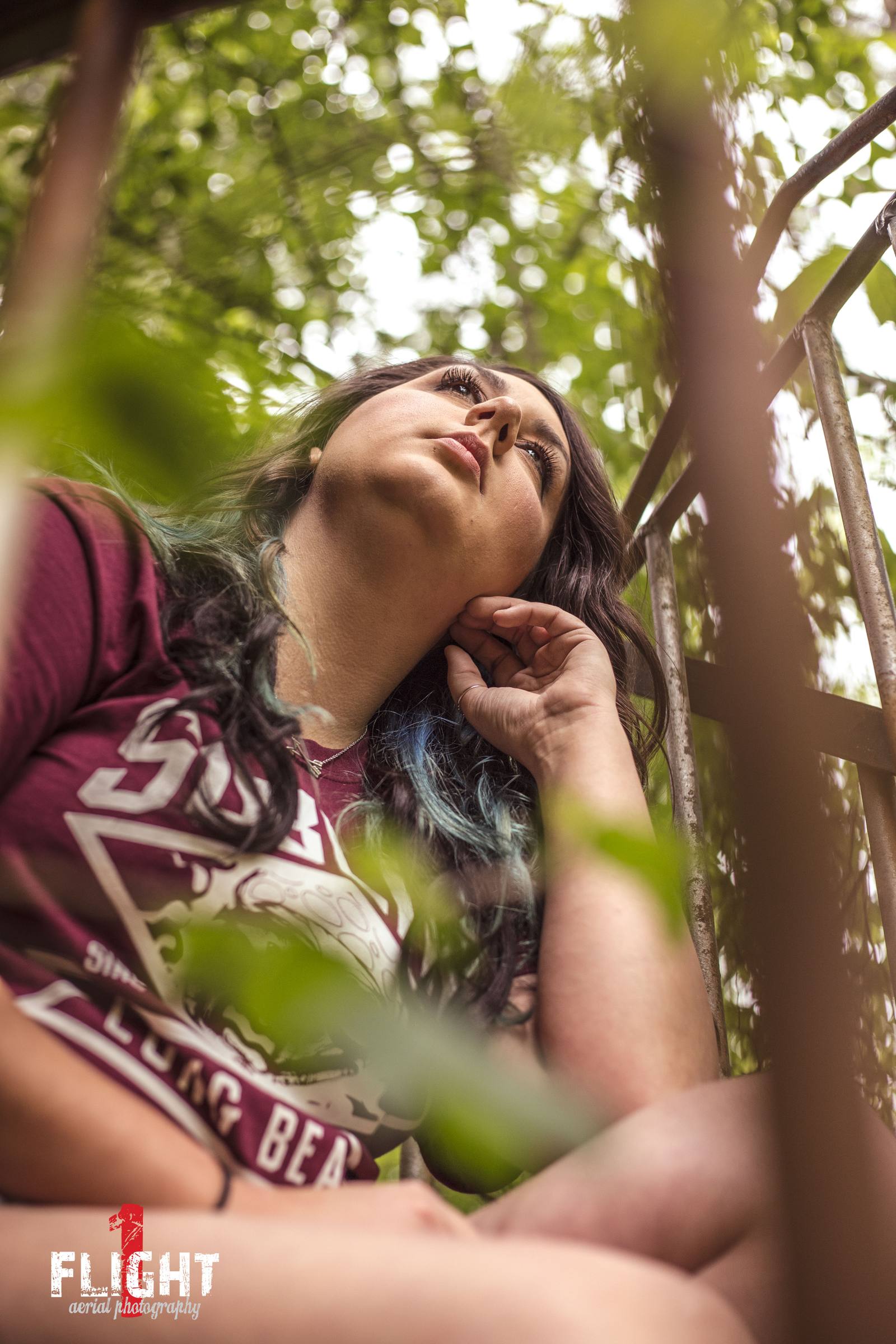
This is the one thing nobody tells you. The moment the shutter releases, your eyes are already reacting. If you’ve been staring at the lens for three seconds, you’re blinking on the shot. You’re not looking — you’re waiting. What works better? Let your eyes soften. Look at the camera, then blink once, deliberately, just before I trigger the shutter. When you open your eyes again, they’ll be wetter, brighter, and more present. You’ll look like you’re thinking, not performing. I’ve watched people try to hold their gaze for 10 seconds. They end up looking like they’re in a witness stand. The blink resets the expression. It’s a physiological trick, not a posing hack. You don’t need to smile. You don’t need to look happy. You just need to look like you’re present. The woman in the maroon tee, resting her chin on her hand? She didn’t force a look. She blinked, looked, and let the moment land.
What happens on the shoot — the rhythm I use
Here’s how it actually goes in Fort Worth. I start with a few minutes of talk — no camera. I ask about their job, their week, something light. Then I say, "Let me show you what I mean." I demonstrate the shoulder drop, the chin angle, the blink. I don’t say "do this." I say "feel this." We do a few test shots. I watch for tension in the jaw, the arms, the eyebrows. Then I give one cue at a time: "Drop your shoulders." Then, "Lower your chin a little." Then, "Blink, then look." I don’t say "smile." I don’t say "look confident." Those are outcomes. Those are feelings. I give physical instructions that produce those feelings. If you’re shooting outdoors, I wait for the light to soften — usually late afternoon, when the sun’s behind you and the shadows are long. If it’s indoors, I bring in a reflector to catch the light on your face, not to make you glow, but to make your eyes pop. Flash? Sometimes. I use it when the natural light falls off too fast, like in a dimly lit office in downtown Fort Worth. But it’s never the star. The person is.
What to do this week — no camera needed
You don’t need to hire me to start practicing. Stand in front of a mirror. Drop your shoulders. Let them rest. Now lower your chin until you see the curve of your jaw. Don’t tilt up. Don’t tuck in. Just find the angle where your neck meets your face without strain. Now blink once, slowly, then look straight ahead. Hold it. That’s your neutral. That’s your approachable. Try it in different lighting — by a window, under a lamp, even outside at dusk. Notice how your eyes look different after the blink. That’s your new baseline. You don’t need a professional to teach you this. You just need to practice the sequence: drop, lower, blink, look. Do it five times a day for three days. You’ll feel it change. And when you sit for your headshot, you won’t be guessing. You’ll know what to do.
Frequently asked
How long does a headshot session take?
Most sessions in Fort Worth take between 30 and 45 minutes. We don’t rush. We don’t shoot 200 frames. We find three or four good expressions and build on them. The goal isn’t quantity. It’s clarity.
Do I get the raw files?
No. Every image I deliver is edited — color balanced, exposure refined, skin softened just enough to look natural. What you see is the final version. Raw files are only included if requested before the shoot, and even then, it’s rare.
What if the weather is bad on my shoot day?
If we’re shooting outside and it rains or the wind picks up, we reschedule. No penalty. I’ve shot headshots in Fort Worth in April showers and August heat. But if the light isn’t working, we wait. Better to have a great shot in good light than a rushed one in bad weather.
Ready to book your aerial photography session?
Get a Free Quote