How to Keep Team Headshots Consistent in Denton
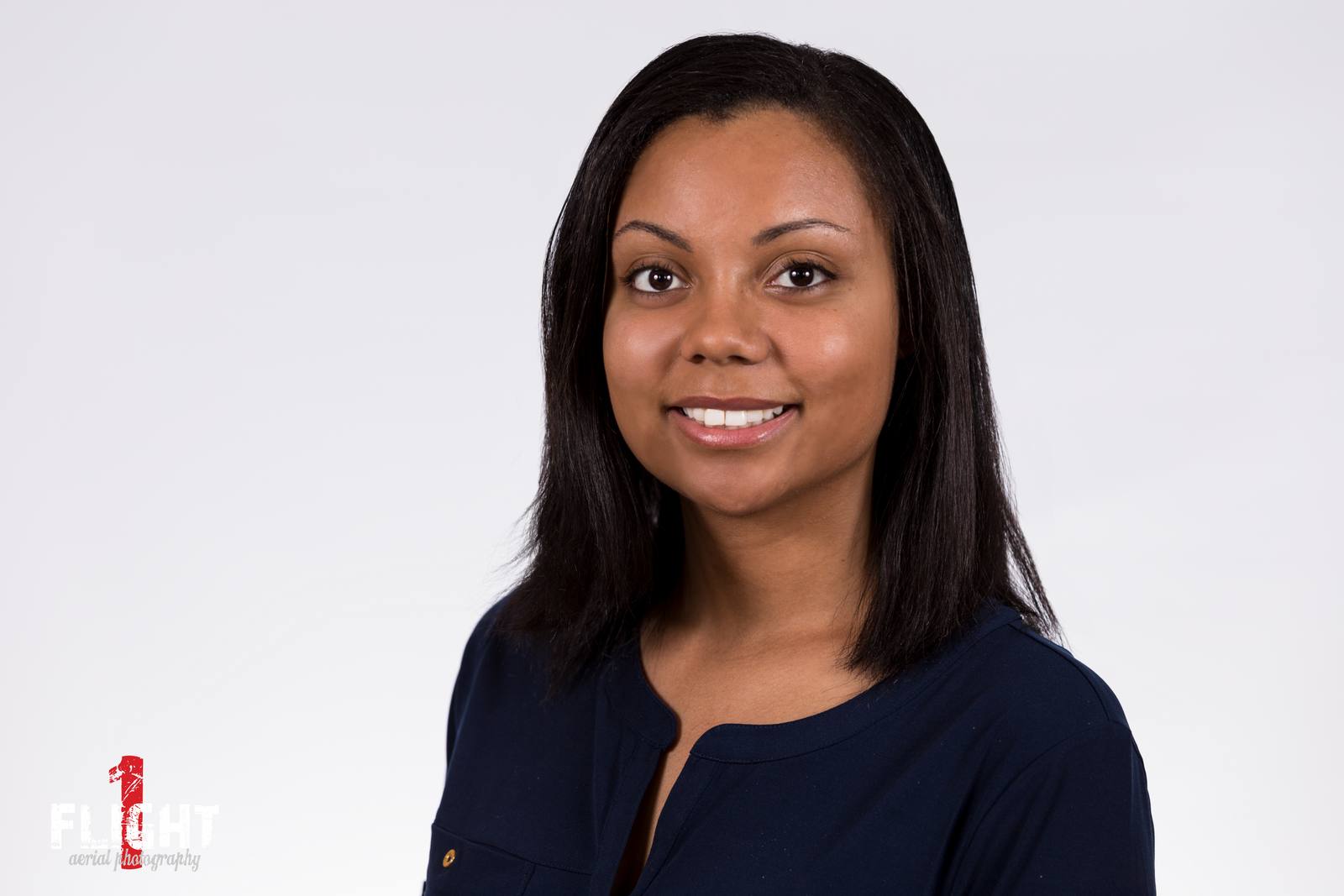
At some point, your company in Denton will need a set of headshots — not just one, but a full group. Maybe you’re launching a new website. Maybe your LinkedIn page looks like a collage of selfies and awkward office photos. A team headshot set means a group of portraits, all taken in the same way, so they look like they belong together. So what makes them look consistent — not like they were shot by different people on different days, but like one intentional, professional set?
Start with the background
Every headshot in your set needs the same background. Not similar. The same. Plain white. Plain black. Plain gray. No exceptions. I’ve seen teams where half the photos use a blurred tree line, and the other half use a studio wall. It looks like someone grabbed photos off a freelance site. In Denton, where spring light hits hard and the grass is already thick and green by April, a natural background is tempting — but it’s a trap. The leaves change, the shadows shift, and the light hits differently on each person. A plain, smooth studio background is the only way to lock it down. I use a 10-foot-wide white paper roll, hung vertically and stretched tight. No wrinkles. No shadows. No color bleed. That’s the base. Everything else builds from there.
Crop the same way, every time
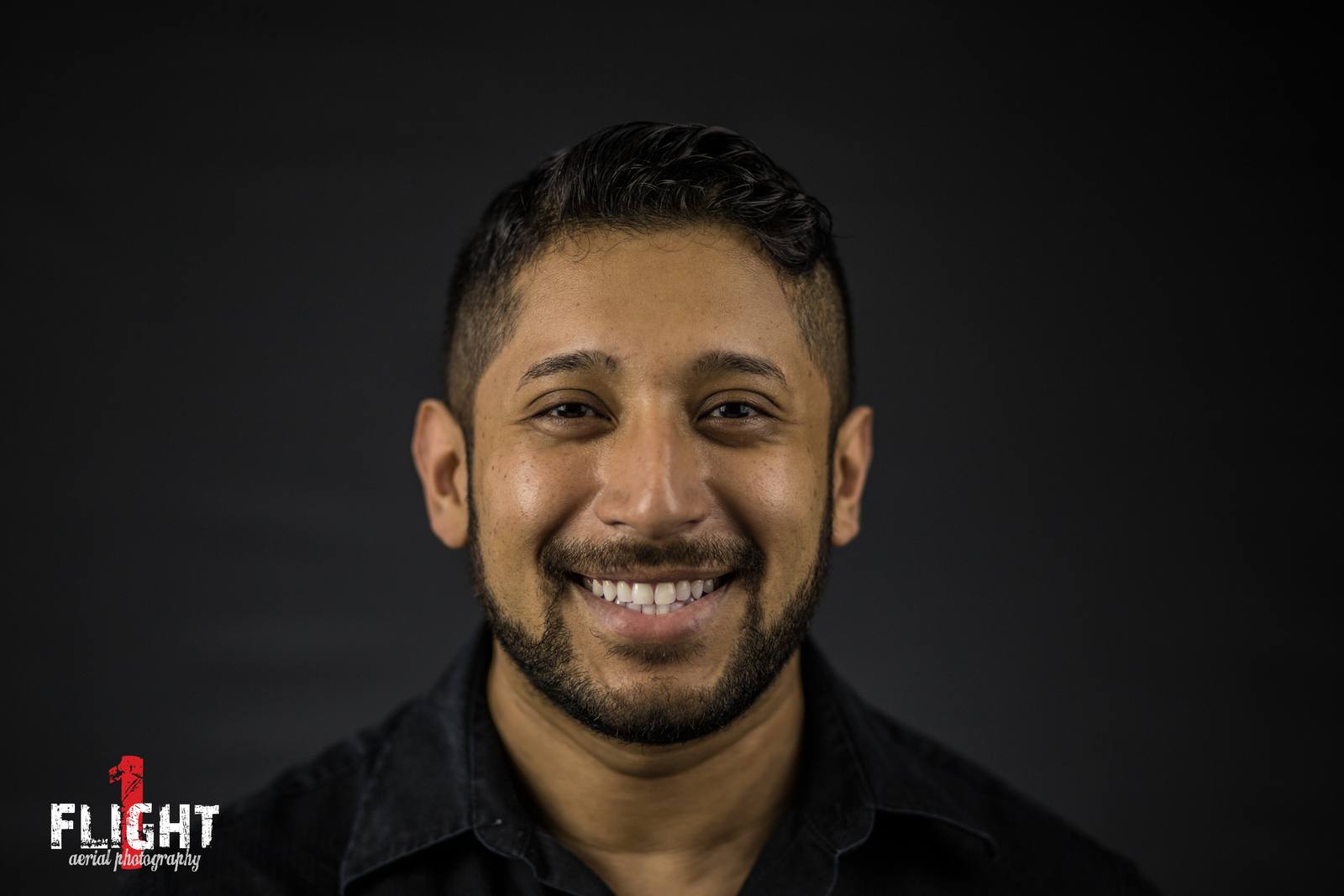
Headshots aren’t full-body shots. They’re not half-body. They’re head and shoulders — but how much shoulder? I’ve seen sets where one person’s photo cuts just below the collarbone, and another’s cuts at the armpit. That’s not consistency. That’s chaos. The standard for corporate work is to crop at the top of the upper arm, just below the shoulder joint. That gives enough space to show posture and shirt collar, but keeps the focus tight on the face. I shoot every person with the same framing in mind: eyes at the top third of the frame, shoulders cut cleanly at the same point. No one gets a tighter crop because they’re shorter. No one gets a looser crop because they’re wearing a suit. If the crop changes, the set falls apart.
Lighting isn’t creative here — it’s a recipe
Lighting is where most teams mess up. One person gets soft, diffused light. Another gets a harsh side flare. One has a reflector under the chin, another doesn’t. In Denton’s April sun, even indoor shoots can get messy if the windows aren’t covered. I use a single 36-inch softbox, placed at 45 degrees to the left, slightly above eye level. It’s not about drama. It’s about predictability. I add a small reflector — a white foam board — on the right side, just to catch the edge of the shadow and keep the face open. No fill flash. No rim lights. No colored gels. One light. One reflector. Same setup for every person. The result? Flat, even illumination that shows the face clearly without hiding texture or creating mystery. It’s not glamorous. But it’s consistent.
What happens on shoot day

Here’s how it actually goes. I arrive early, set up the background, test the light with a gray card, and lock the camera settings. ISO 100. f/5.6. 1/125. I use a 85mm lens — it’s the sweet spot for headshots: enough reach to compress the background, no distortion. I don’t ask people to change outfits. I don’t offer styling advice. I don’t do multiple looks. One outfit. One pose. One light. One background. I shoot each person for five minutes. I check the exposure on the screen. I check the focus on the eyes. I ask them to relax their jaw. I don’t say "smile" — I say "think of something that made you laugh last week." Then I shoot three frames. One neutral. One with a slight softening of the eyes. One with the hint of a smile. That’s it. No posing. No props. No flowers. No lollipops. I’ve seen teams where someone’s photo includes a coffee cup or a laptop. That’s not a headshot set. That’s a photo collage with a theme. The goal isn’t personality. The goal is unity.
What to look for when you get the final set
When you get the files back, open them side by side. Don’t scroll. Don’t look at one at a time. Look at them all at once. Does the white background look the same brightness in every image? Are the shadows under the chin the same depth? Are the shoulders cut at the same height? If one person’s eyes look brighter, it’s not because they’re more energetic — it’s because the retouching was inconsistent. I retouch every image. I adjust exposure, balance color temperature, remove a stray hair, smooth a wrinkle — but I never change the shape of the face, never whiten teeth, never remove natural texture. The edits are invisible, but the consistency is deliberate. If you see one person with glowing skin and another with visible pores, you’re looking at a set that wasn’t finished by the same person. That’s a red flag.
Frequently asked
How long does a team headshot session take?
For a team of 10 people, plan for 90 minutes. I need 15 minutes to set up. After that, it’s five minutes per person — including the time they walk in, change if needed, and get positioned. If someone needs extra time, I adjust, but I don’t extend the whole schedule.
What if someone is sick or on vacation?
That’s fine. I keep the same setup, the same light, the same background. When they’re ready, we shoot them the same way. Their photo will fit right in. No need to reshoot the whole set. That’s the point of the system.
Can we use outdoor backgrounds for some people?
No. If you want outdoor portraits, shoot them separately. A team headshot set isn’t the place for variety. Denton’s spring foliage is beautiful, but it doesn’t belong in a corporate profile. Save it for your website banner. Keep the headshots clean.
I shoot headsets in Denton that look like they were made as one piece — not stitched together. If you need one, I’m here.
Ready to book your aerial photography session?
Get a Free Quote